










 Affordable Financing
 Fibreglass Pool Install Stages
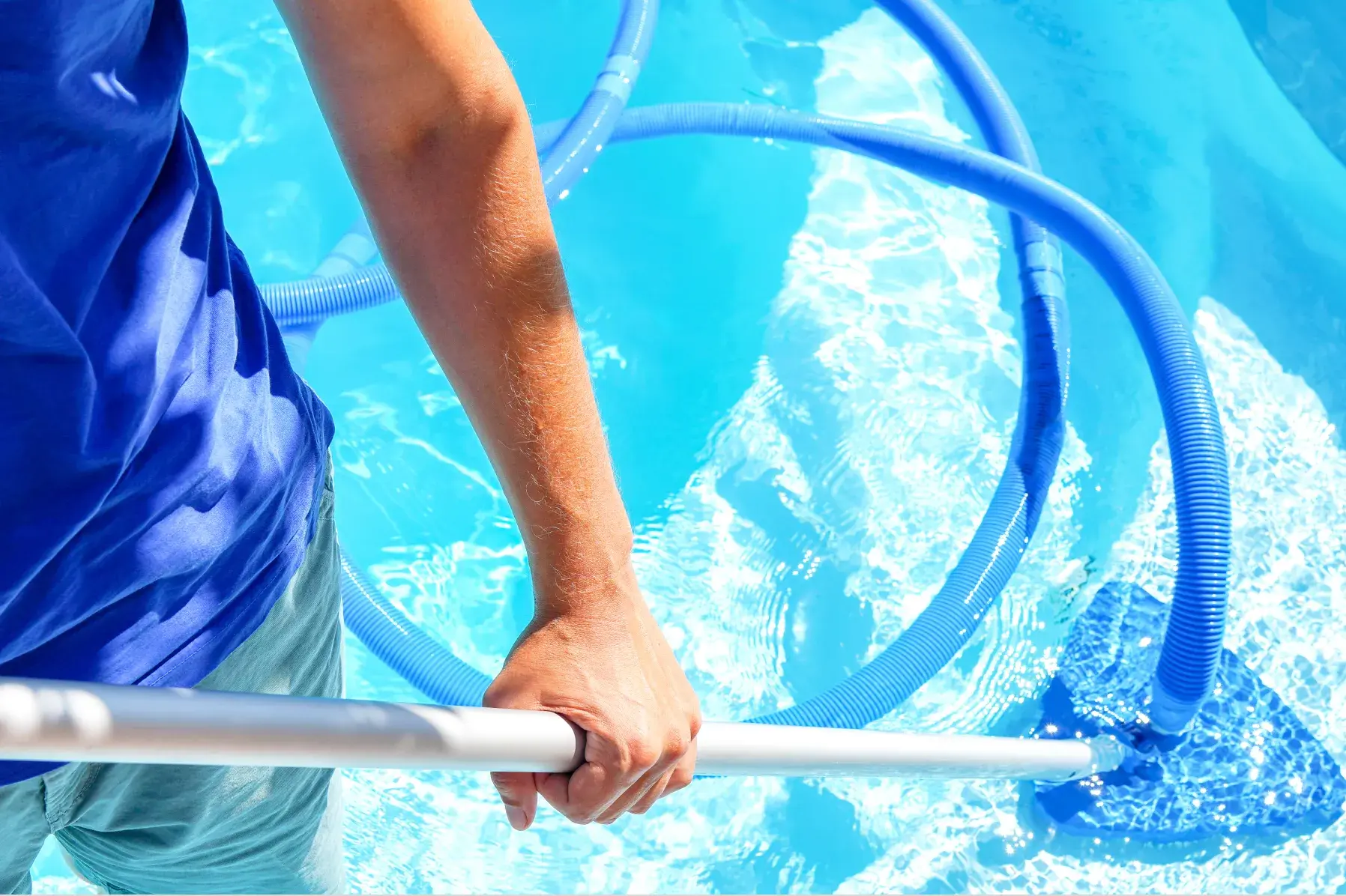
How much work does a fibreglass pool actually take? It's a fair question, particularly if you're buying your first pool and would rather spend your weekends swimming in it than cleaning it.
Fortunately, modern fibreglass pools are relatively easy to look after. With an automatic chlorinator, a well-matched pump and filter, and a robotic cleaner, routine maintenance can take as little as 15 to 30 minutes a week. Most of that involves checking your water, removing leaves and dirt, and making sure your equipment is doing its job.
Of course, every backyard is different. My own Brisbane pool gets a fairly generous supply of gum leaves, fine dust and the occasional macadamia nut, so I know some pools need a little more attention than others.
In this guide, we'll cover what you need to do daily, weekly and throughout the year, how to protect your pool's gelcoat, and the common mistakes that can turn a relatively low-maintenance pool into an expensive headache.
|
Quick Answer How Do You Maintain a Fibreglass Pool? Maintaining a fibreglass pool involves keeping the water chemistry balanced, removing leaves and debris, and ensuring your pump, filter and chlorinator are working properly. With modern equipment, routine maintenance can take as little as 15–30 minutes a week. Check chlorine and pH weekly, empty baskets as needed, and arrange a comprehensive water test monthly. Adjust your pump and chlorinator settings seasonally, and avoid unnecessary chemical treatments. A quality fibreglass pool should retain its colour for decades with proper care, and there's rarely any reason to completely drain it. |
Contents
-
Why Are Fibreglass Pools Easier to Maintain?
-
What Pool Maintenance Should You Do Daily, Weekly and Monthly?
-
What Are the Correct Chemical Levels for a Fibreglass Pool?
-
Is Saltwater or Chlorine Better for a Fibreglass Pool?
-
How Do You Keep Your Fibreglass Pool's Gelcoat Looking New?
-
How Do You Keep Your Fibreglass Pool Clean and Properly Filtered?
-
Why Is Your Pool Water Cloudy, and How Do You Fix It?
-
How Often Should You Drain a Fibreglass Pool?
-
Do You Need to Cover Your Fibreglass Pool in Winter?
-
Is It Cheaper to Maintain Your Pool Yourself or Pay for a Pool Service?
-
How Do You Maintain Your Pool While You're Away on Holiday?
-
What Causes Osmosis in a Fibreglass Pool, and How Do You Prevent It?
Why Are Fibreglass Pools Easier to Maintain?
The biggest advantage of a fibreglass pool is its smooth, non-porous gelcoat surface. Unlike the rougher surface of a concrete pool, there are fewer places for algae, dirt and other contaminants to cling to, making fibreglass pools easier to clean.
That doesn't mean algae won't grow in a fibreglass pool. Let your chlorine levels drop too low and algae will happily move in, regardless of what your pool is made from. However, restoring a fibreglass pool is generally easier because algae has fewer places to take hold on the surface.
Fibreglass pools also don't require the periodic acid washing or resurfacing associated with concrete pools. A quality gelcoat, correctly manufactured and maintained, is designed to retain its finish for decades.
Of course, you'll still need to maintain your water chemistry and filtration equipment. But with less scrubbing and fewer surface maintenance requirements, fibreglass is one of the easiest swimming pool types to look after.
What Pool Maintenance Should You Do Daily, Weekly and Monthly?
Looking after a fibreglass pool is mostly about keeping an eye on your water chemistry, removing debris and making sure your equipment is doing its job. Nothing particularly complicated, and certainly nothing that should have you spending every weekend playing pool cleaner.
Here's a practical maintenance schedule for a typical Australian fibreglass pool.
|
How often |
What you need to do |
|
Daily |
Take a quick look at the water level, clarity and any leaves or debris. Check that your pool equipment is running normally. |
|
Weekly |
Test chlorine and pH, empty the skimmer basket as needed, remove leaves and debris, and run your robotic cleaner. Give the waterline and steps a brush when needed. |
|
Monthly |
Have your pool water tested for calcium hardness, stabiliser, salt and other relevant parameters. Check your filter, chlorinator cell and equipment for any signs of problems. |
|
Seasonally |
Adjust your pump and chlorinator settings for changes in water temperature, swimming activity and weather conditions. |
These are starting points, not rigid rules. If your pool is surrounded by gum trees, you'll probably need to empty the skimmer basket several times a week. Gum trees are remarkably good at dropping another load of leaves just after you've finished cleaning. A sheltered pool with very little debris might need far less attention.
If you have automatic chlorine and pH monitoring, you can also reduce the need for routine manual testing. However, you'll still need occasional comprehensive water tests to check the other chemical levels.
And don't assume everything needs cleaning or replacing on a fixed schedule. Your filter doesn't know it's the first Monday of the month. Clean it when its condition and the manufacturer's instructions indicate it's needed, and apply the same common sense to your other equipment.
For a more detailed breakdown of each task, including a printable schedule, see our daily, weekly and monthly pool maintenance checklist.
What Are the Correct Chemical Levels for a Fibreglass Pool?
You don't need to be a pool chemistry whizz to maintain healthy swimming pool water. There are only a handful of chemical levels you need to understand, and keeping them balanced is one of the most important things you can do to protect your pool and equipment.
Here are the general recommended ranges for maintaining a fibreglass swimming pool in Australia.
|
What you're testing |
General recommended range |
|
Free chlorine |
Generally 1.5–3.0 ppm |
|
pH |
7.2–7.6 |
|
Total alkalinity |
80–120 ppm |
|
Calcium hardness |
120–300 ppm |
|
Stabiliser (cyanuric acid) |
30–50 ppm |
|
Salt or minerals |
As specified by your chlorinator manufacturer |
The appropriate chlorine level depends on factors such as water temperature, stabiliser concentration and how heavily the pool is used, so these figures are a general starting point rather than a universal requirement.
Your pool shell or equipment manufacturer may specify different requirements, so always check their recommendations. Some automatic chlorination systems, for example, require considerably lower stabiliser levels.
The two readings you'll generally monitor most frequently are chlorine and pH. Chlorine keeps your water sanitised, while pH affects how effectively chlorine works and helps maintain suitable conditions for your gelcoat and equipment.
Total alkalinity helps stabilise pH, calcium hardness is important for maintaining the correct water balance, and stabiliser protects chlorine from being broken down by sunlight.
Here's something worth remembering. You don't need to add chemicals simply because another week has passed. If your water is properly balanced, leave it alone. Your local pool shop might have an impressive collection of chemicals on its shelves, but that doesn't mean your pool needs one of everything!
Most pool shops offer free water testing and can recommend adjustments when needed. Keep copies of those results, too. They're useful for identifying changes over time and providing maintenance records if you ever need to make a warranty claim.
For a more detailed explanation of each chemical, when it's needed and which products you can probably leave on the shelf, read our Pool Chemicals Guide for Australian Fibreglass Pools.
Is Saltwater or Chlorine Better for a Fibreglass Pool?
For most Australian homeowners, we'd recommend a saltwater chlorinator. It's convenient, relatively inexpensive to operate and takes much of the effort out of maintaining the correct chlorine level.
But here's something that surprises a few people. Saltwater pools are actually chlorine pools! The difference is how the chlorine gets into the water.
A saltwater chlorinator uses dissolved salt and electrolysis to produce chlorine automatically while your pump is running. With a manually chlorinated pool, you add chlorine directly using liquid, tablets or granules.
Both systems can keep a fibreglass pool perfectly clean and sanitised. And neither is inherently better for your gelcoat. What matters is maintaining the correct chlorine and pH levels, regardless of how the chlorine is produced.
The main advantage of salt chlorination is convenience. You generally get more consistent chlorine production without having to regularly add it yourself. There's a higher upfront cost for the chlorinator, and its cell will eventually need replacing, but for most homeowners, the reduced maintenance makes it worthwhile.
Mineral pools are another option. They generally use magnesium and potassium blends, often alongside sodium chloride, and many swimmers prefer how the water feels. However, most mineral systems still rely on chlorine for sanitisation, and the minerals cost more than ordinary pool salt.
For a closer comparison of costs, swimming comfort and equipment requirements, read our Salt vs Chlorine on a Fibreglass Pool guide.

How Do You Keep Your Fibreglass Pool's Gelcoat Looking New?
A properly manufactured fibreglass pool using a premium gelcoat such as AquaGuard-X™ is designed to retain its original colour and glossy finish for decades. Quality swimming pool gelcoats are formulated to withstand Australian sunshine and normal pool water chemistry. Your pool shouldn't gradually fade simply because it's getting older.
However, even the best gelcoat needs a little looking after. There are three things worth paying attention to.
-
Don't overdo the chlorine. Prolonged exposure to excessively high chlorine levels can permanently bleach the pigments in your gelcoat. Regularly check your chlorine levels and adjust your chlorinator to suit your pool's needs. More chlorine is definitely not better.
-
Keep your water balanced. Incorrect pH, alkalinity and calcium hardness can contribute to surface problems, including calcium deposits that make your pool look faded. Follow your manufacturer's recommended chemical levels and avoid allowing concentrated chemicals to settle against the gelcoat.
-
Clean the surface gently. Use a soft pool brush to remove dirt and deposits from the waterline, steps and ledges when needed. Avoid abrasive cleaners and harsh chemical treatments that could damage the finish.
And here's something that catches homeowners out. A pool that looks faded might not have faded at all!
Calcium deposits can leave a white or cloudy film over the gelcoat, hiding the original colour underneath. Remove the deposits using a suitable fibreglass-safe treatment, and you may discover your pool looks just as good as it did before.
Genuine chlorine bleaching is different because the pigments have been permanently affected. Gelcoat chalking involves deterioration of the surface itself, while UV-related fading is more likely to become a problem when inferior gelcoat materials have been used or the surface hasn't been properly applied and cured.
The important thing is to identify what's causing the change in appearance before spending money on treatments that might not be needed.
For more information on identifying fading, chalking and calcium deposits, including what can be restored, read our guide to fibreglass pool gelcoat fading and care.
How Do You Keep Your Fibreglass Pool Clean and Properly Filtered?
Keeping your pool clean is really about two things: removing leaves and dirt before they become a problem, and making sure your filtration system is doing its job.
Your skimmer collects floating debris, while your pump circulates water through the filter to remove finer particles. A robotic cleaner takes care of much of the dirt and debris that settles on the pool floor.
If your backyard is surrounded by trees, a good robotic cleaner is worth its weight in gold. Look for one with dual-stage filtration that collects larger debris such as leaves, along with the fine dust and dirt that often comes with them. After all, there's not much point collecting the leaves if you're leaving half the backyard on the pool floor!
Your skimmer and pump baskets also deserve some attention. When they're packed with leaves, water flow can become restricted, reducing filtration performance. Decomposing leaves also introduce organic material into the water, increasing the amount of work your chlorine needs to do.
How Long Should You Run Your Pool Pump?
As a general starting point, a properly sized conventional pool system might run for around eight hours daily in summer and four hours in winter.
However, the appropriate runtime depends on your pool's size, pump flow rate, chlorinator output and how frequently the pool is used.
Variable-speed pumps can operate at lower speeds for longer periods while using considerably less electricity. They're generally our preferred option because you can adjust the flow rate to suit everyday filtration, skimming and other equipment requirements.
And don't forget your filter. Cartridge filters need occasional cleaning, while sand and glass-media filters require backwashing when indicated. Follow the manufacturer's instructions and check filter pressure against its normal reading at the same pump speed, rather than cleaning everything simply because another month has passed.
For more advice on reducing cleaning time in leafy backyards, read our guide to keeping pools clean when surrounded by trees.
Why Is Your Pool Water Cloudy, and How Do You Fix It?
Cloudy pool water is usually caused by incorrect water chemistry, insufficient chlorine, poor filtration or contaminants such as dirt, sunscreen and early algae growth.
Fortunately, most causes are relatively straightforward to fix once you know what's going wrong.
The first step is to test your water. Check your chlorine, pH, alkalinity and calcium hardness levels, then inspect your pump, filter and skimmer baskets.
Sometimes the problem is as simple as a skimmer basket packed with leaves or a dirty filter that's struggling to remove fine particles. Other times, incorrect water chemistry or insufficient chlorine has allowed algae to start growing.
Heavy swimming activity, storms and windblown dust can also leave your water looking a little worse for wear.
Whatever the cause, resist the temptation to throw a few chemicals into the pool and hope for the best. That's an expensive way to find out what doesn't work!
Correct the problem you've identified and give your filtration system time to clear the water. Mild cloudiness may improve within a day or two, while more stubborn problems can take longer.
And don't automatically reach for a chlorine shock treatment. Excessive chlorine can permanently damage your gelcoat, so any treatment needs to be appropriate for the problem and within your pool manufacturer's chemical limits.
For a practical guide to identifying the cause and choosing the right treatment, see our step-by-step guide to fixing cloudy pool water.
How Often Should You Drain a Fibreglass Pool?
Almost never! A properly manufactured and maintained fibreglass pool can go decades without needing to be completely emptied. There's no scheduled drain-and-refill service hiding somewhere in your pool maintenance instructions.
In fact, completely draining a fibreglass pool without the appropriate precautions can cause serious structural damage.
The water inside your pool helps balance the pressure from the surrounding ground. Remove that water, and the pool walls can bow or the entire shell can lift if groundwater pressure builds underneath it. Not exactly the sort of backyard renovation you had in mind!
There are only a few circumstances where completely draining a pool may be necessary:
-
Major shell or gelcoat repairs, particularly damage to the pool floor or the curved join between the walls and floor.
-
Complete resurfacing, usually when an older pool's gelcoat has deteriorated extensively and the owner has elected to restore the entire internal surface.
Even then, you must contact your pool manufacturer before draining. They'll specify the requirements for supporting the shell, including any necessary bracing. A qualified fibreglass pool repair specialist must also assess groundwater conditions and manage the work appropriately.
What about cloudy water, staining or chemical imbalances? These can generally be treated without completely emptying your pool. Some water chemistry problems may require partial water replacement, but even then, check the manufacturer's instructions before significantly lowering the water level.
For more information about the risks, repair situations and manufacturer requirements, read our guide to how often you should drain a fibreglass pool.
Do You Need to Cover Your Fibreglass Pool in Winter?
No, you don't need to cover your fibreglass pool during winter. If your pool stays relatively clean and evaporation isn't a problem, there's little financial benefit in covering it.
After all, you've spent good money on a beautiful swimming pool. Why hide it under a blanket for three or four months if you don't need to?
However, if your backyard gets plenty of falling leaves, windblown dirt or significant evaporation, a pool cover can save you a fair bit of cleaning and help reduce water loss.
How Should You Maintain Your Pool During Winter?
The biggest savings during winter come from reducing your pump operating hours and chlorine production, regardless of whether your pool is covered.
For a properly sized conventional system, reducing pump runtime from around eight hours in summer to four hours daily in winter is a sensible starting point. Variable-speed pumps running at lower flow rates may need longer.
You'll also generally need less chlorine because colder water slows algae and bacterial growth, and fewer swimmers mean less contamination. Reduce your chlorinator output accordingly, but keep testing your water to maintain the correct chlorine level.
Test weekly while adjusting your winter settings, then fortnightly once everything is stable. And don't forget to check your skimmer basket and remove any leaves collecting on the pool floor.
If you use a floating pool blanket, pull back at least 20% for a few hours each week to allow trapped chlorine-containing gases to escape, or follow more specific manufacturer instructions. You'll also need to check underneath occasionally, because leaves have a remarkable ability to find their way into places they're not supposed to be.
For more advice on winter pump settings, pool covers and reducing maintenance costs, read our Winter Pool Care in Australia guide.
Is It Cheaper to Maintain Your Pool Yourself or Pay for a Pool Service?
For most fibreglass pool owners, doing your own maintenance is considerably cheaper than paying for a professional pool service. And with modern pool equipment taking care of much of the work, it's generally pretty straightforward.
For a typical 8m fibreglass pool, here's how the annual costs compare using indicative Australian servicing prices in 2026.
|
Maintenance option |
Estimated annual cost |
|
DIY maintenance |
$300–$500 |
|
Fortnightly basic pool service |
$1,990–$2,840 |
|
Fortnightly full pool service |
$2,380–$4,010 |
These estimates include a $300–$500 annual chemical allowance, with chemicals assumed to be charged separately by the pool service. Electricity, water and occasional equipment repairs are additional costs regardless of which option you choose.
That means maintaining your pool yourself could save around $2,080–$3,510 annually compared with a fortnightly full service.
So, what are you paying a pool technician to do? A basic service generally includes water testing, chemical balancing and equipment checks. A full service adds jobs such as vacuuming, brushing and removing debris.
For a modern fibreglass pool with an automatic chlorinator and robotic cleaner, allow around 15–30 minutes a week for routine DIY maintenance. Of course, a pool surrounded by trees or coping with heavy swimming activity may need more attention.
Professional servicing makes sense if you're regularly away from home, don't feel confident managing your water chemistry or simply prefer someone else to look after the pool. Just remember that a fortnightly service doesn't mean you can ignore your pool between visits. Unfortunately, a summer storm doesn't check when your pool technician is next due!
There's also a sensible middle ground. Look after the routine maintenance yourself and call in a professional when you need help with something more involved.
For a detailed breakdown of servicing costs, what's included and how much time DIY maintenance takes, read our DIY Pool Maintenance vs Pool Service comparison.
How Do You Maintain Your Pool While You're Away on Holiday?
The good news is that you don't need to do anything particularly complicated to keep your pool healthy while you're away. A little preparation and someone keeping an occasional eye on things should be enough for most well-maintained fibreglass pools.
I learnt this lesson the hard way. Before heading off on a two-week holiday, I'd been doing some maintenance and forgot to switch the pool equipment back on. I returned to a completely green swimming pool and spent around $100 on chemicals getting it back to normal. Not my finest moment, particularly for someone who works in the pool industry!
Here's what I'd recommend before heading away:
-
Check the weather forecast. Hot, windy conditions can increase evaporation, while heavy rain and falling leaves create different problems. Adjust your preparations accordingly, keeping the water within the manufacturer's safe operating range.
-
Balance your water chemistry. Have your water tested before leaving. If you don't have automatic chlorine and pH control, aim towards the upper end of the recommended chlorine range and lower end of the pH range. There's no need to shock your pool or add extra chlorine for good luck.
-
Clean your pool and equipment. Remove leaves and debris, empty the skimmer and pump baskets, and clean your filter if required.
-
Check everything is running. Make sure your pump, chlorinator and timers are operating on their normal schedules. And, as I've demonstrated, actually switch everything back on when you've finished!
If you're away for more than a week, arrange for a neighbour or friend to check the pool weekly. They only need to make sure the water looks clear, the equipment is running and the water level is where it should be. If you're using a floating blanket, ask them to pull back about a third for a few hours each week to ventilate the pool.
If you travel regularly, automatic chlorine and pH control can be a worthwhile investment. It's certainly made looking after my own pool easier. Alternatively, a professional pool service can be a sensible option for longer holidays, particularly if your pool requires manual chlorine dosing.
For more practical advice, including a pre-departure checklist, read our guide to maintaining your pool while on holiday.
What Causes Osmosis in a Fibreglass Pool, and How Do You Prevent It?
Osmosis is one of those problems that worries people shopping for a fibreglass pool. Fortunately, it's very uncommon in properly manufactured modern pools, thanks to significant improvements in materials and manufacturing techniques.
Osmosis occurs when moisture enters the fibreglass laminate, either from the pool water or the surrounding groundwater. That moisture can react with or dissolve substances within the laminate, creating pockets of liquid that attract more water. As pressure builds, small blisters can form beneath the gelcoat.
Not exactly the sort of textured finish you had in mind when choosing your new pool!
Why Quality Manufacturing Matters
The most important protection against osmosis happens long before your pool arrives in your backyard.
A quality swimming pool gelcoat, correctly applied and cured, provides the first protective barrier against pool water. Behind it, a vinyl ester fibreglass layer provides additional resistance to moisture penetration and chemical attack.
The manufacturer also needs to ensure the entire shell construction protects against groundwater exposure from the outside.
Poor-quality materials, thin or incorrectly applied gelcoat, inadequate barrier layers and improper curing can all increase the risk of osmosis.
Once your pool is installed, your responsibility is to maintain the correct water chemistry and protect the gelcoat from unnecessary damage. However, even perfect water chemistry can't compensate for a poorly manufactured shell.
If you notice raised blisters forming on your pool's surface, contact your pool supplier or manufacturer for advice. Genuine osmosis requires professional assessment and potentially specialist repairs.
For a more detailed explanation of how osmosis develops, the manufacturing safeguards that prevent it and what to do if you discover blistering, read our Fibreglass Pool Osmosis Prevention Guide.
The Bottom Line on Fibreglass Pool Maintenance
Looking after a fibreglass pool shouldn't be complicated or particularly time-consuming. Get your water chemistry right, keep leaves and debris under control, and make sure your equipment is doing its job. That's the foundation of good pool maintenance.
Just as importantly, don't overcomplicate things. Your pool doesn't need another dose of chemicals simply because it's Saturday, and your filter doesn't need cleaning when it's already working perfectly well.
Choosing the right equipment from the outset can also make a big difference. A well-matched variable-speed pump, automatic chlorinator and robotic cleaner can take much of the routine work off your hands.
If you're planning a new fibreglass pool, the team at Complete Fibreglass Pool Kits can help you choose a pool and equipment package that suits your backyard, budget and how much maintenance you're prepared to do.
After all, the idea is to spend more time enjoying your pool than looking after it.

Frequently Asked Questions
Does maintaining my fibreglass pool myself affect its warranty? No. Maintaining your pool yourself doesn't automatically invalidate the manufacturer's warranty. You still need to follow its maintenance requirements, keep your water balanced and retain appropriate maintenance records. Damage caused by incorrect maintenance may be excluded under warranty terms, but your rights under Australian Consumer Law continue to apply.
How do I know if my saltwater chlorinator is working properly? Test the free chlorine level in your pool water. A chlorinator that's switched on isn't necessarily producing enough chlorine to meet your pool's needs. If the level keeps dropping, check the output settings, salt concentration, water flow and chlorinator cell. Your local pool shop can help identify the problem.
Does heating a fibreglass pool increase its maintenance requirements? Generally, yes. Warmer water can increase chlorine demand and encourage algae growth, particularly when you're using the pool more frequently. Test your water more often when heating your pool and adjust the chlorinator output and filtration as needed. Keep your water chemistry within the requirements for both your pool and heating equipment.
How long should I wait before swimming after adding pool chemicals? Never add pool chemicals while anyone is swimming. The safe waiting time depends on the product, dose and how quickly it disperses. Follow the chemical manufacturer's instructions and allow sufficient circulation before testing that chlorine and pH are within suitable swimming ranges. Some treatments, particularly shock chlorination, can require considerably longer waiting periods. For additional advice, see WA Health's swimming pool chemical safety guidance.
Related Content


