










 Affordable Financing
 Fibreglass Pool Install Stages
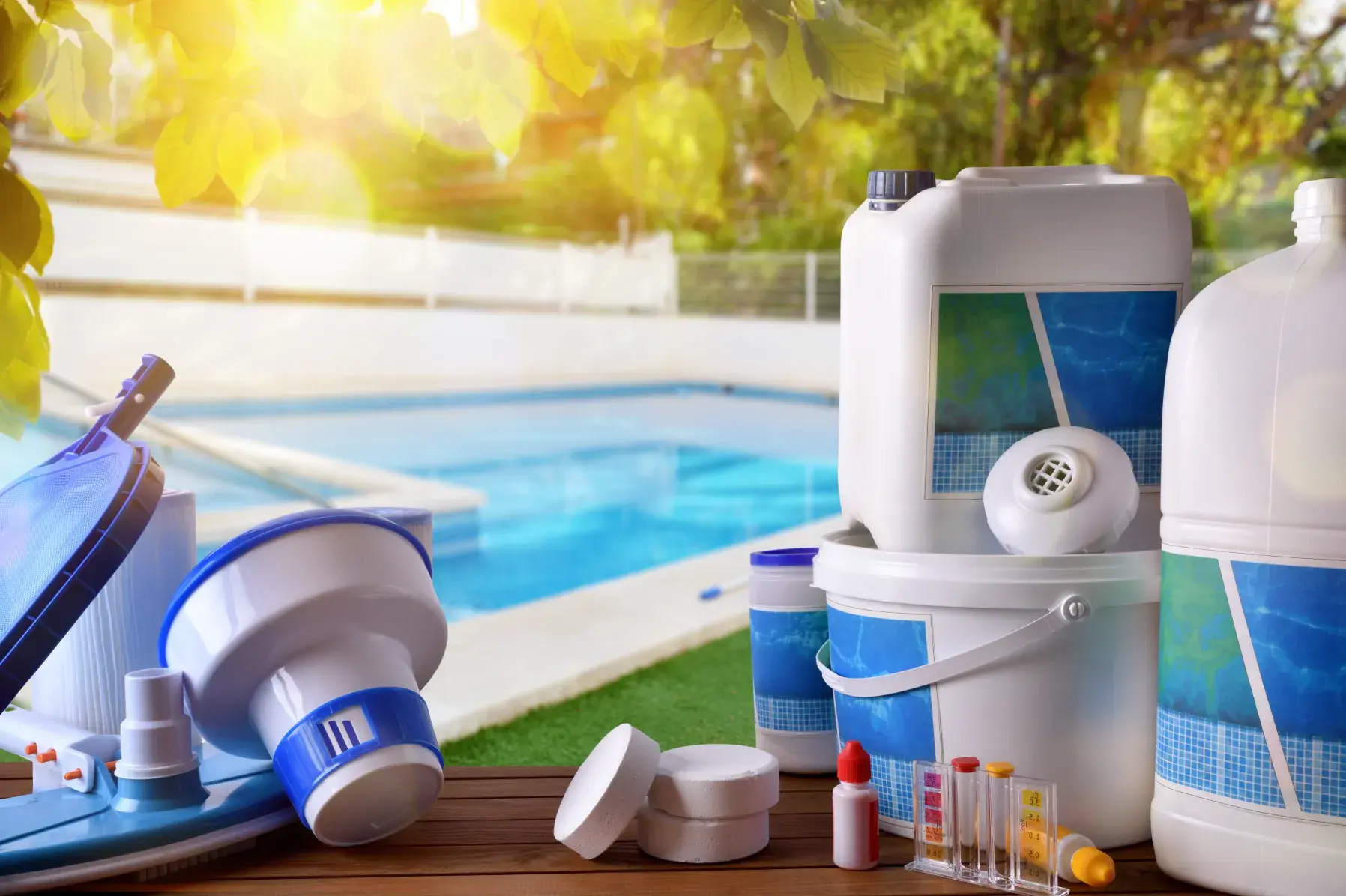
Walk into a pool shop and you'll find a wall of chemicals, all promising to do something wonderful for your pool. But how many of them do you actually need? Probably fewer than you think.
The trick to maintaining a healthy swimming pool isn't adding more chemicals. It's understanding what each one does, knowing when it's needed and, just as importantly, when to leave it on the shelf. After all, if your pool water is already properly balanced, why spend money fixing something that isn't broken?
In this guide, we'll explain the common pool chemicals, what they're used for and which ones you can probably do without. We'll also cover the recommended chemical levels for fibreglass pools, so you can keep your water safe, your gelcoat protected and your maintenance costs down. For more on looking after your pool throughout the year, see our fibreglass pool maintenance guide.
|
Quick Answer What Chemicals Do I Actually Need for My Fibreglass Pool? Most fibreglass pools need chlorine for sanitisation, along with occasional chemical adjustments to maintain the correct pH, alkalinity, calcium hardness and stabiliser levels. If you have a saltwater chlorinator, you'll also need the correct concentration of pool salt or minerals. The important thing is that you don't necessarily need to buy or add all these chemicals regularly. Test your water and only adjust what needs correcting. As a general guide, maintain free chlorine at around 1.5–3.0 ppm and pH between 7.2 and 7.6. Your ideal chlorine level will depend on factors such as water temperature, stabiliser concentration and swimming activity. Always follow any specific requirements for your pool and equipment. |
The Six Common Pool Chemicals and What They Do
You don't need to keep six different chemicals on hand to maintain your fibreglass pool. However, there are six worth understanding because each plays a different role in keeping your water clean, safe and properly balanced.
1. Chlorine (Sanitiser)
Chlorine kills bacteria, viruses and algae, keeping your pool water safe to swim in. Most modern Australian pools use a saltwater chlorinator, which automatically produces chlorine from dissolved salt. If you don't have a chlorinator, chlorine can be added manually in liquid, granular or tablet form.
The important thing to understand is that saltwater pools are still chlorine pools. The difference is how the chlorine gets into the water.
2. Hydrochloric Acid (pH Down)
Pool acid lowers your water's pH when it becomes too alkaline. In saltwater pools, pH commonly rises over time as the chlorinator operates and the water circulates. As a result, adding acid is one of the more common water-balancing tasks for saltwater pool owners.
Hydrochloric acid is the most commonly used pH reducer in Australian pools. It also lowers total alkalinity, so both levels need to be considered before adding it.
3. Sodium Carbonate (pH Up)
Also known as soda ash, sodium carbonate raises your pool's pH when it drops too low.
Most saltwater pool owners rarely need it because their pH naturally tends to rise rather than fall. However, it can be useful if your pH becomes too low, particularly if too much acid has been added.
4. Sodium Bicarbonate (Alkalinity Buffer)
Commonly called buffer or bicarb, sodium bicarbonate raises total alkalinity, which helps prevent sudden changes in pH.
Think of alkalinity as your pool's pH stabiliser. Without enough of it, your pH can bounce around, making water balancing more difficult. Sodium bicarbonate can also raise pH slightly, so it's important to understand the difference between it and soda ash.
5. Calcium Chloride (Calcium Hardness Increaser)
Calcium chloride increases the calcium hardness of your pool water.
Although fibreglass pools don't need calcium for the same reasons as concrete pools, maintaining the manufacturer's recommended calcium hardness range is important for protecting your pool's gelcoat and equipment from problems associated with poorly balanced water.
You generally only need to add calcium chloride when testing shows your water is too soft.
6. Cyanuric Acid (Chlorine Stabiliser)
The Australian sun is terrific for swimming but not so terrific for chlorine. UV rays break down chlorine in outdoor pools, and cyanuric acid helps protect it.
Unlike chlorine, stabiliser isn't routinely consumed during sanitisation. It generally needs replenishing when water is diluted or replaced, so adding it should be based on your water-test results rather than a fixed schedule.
What Are the Correct Chemical Levels for a Fibreglass Pool?
You don't need to become a pool chemistry expert to look after your water. But you do need to know what the numbers on your water-test report mean, and which ones matter.
As a general guide, the following ranges provide a practical starting point for Australian fibreglass pools. Check your pool shell and equipment requirements, as individual products may specify different levels.
|
What you're testing |
Recommended level |
|
Free chlorine |
1.5–3.0 ppm |
|
pH |
7.2–7.6 |
|
Total alkalinity |
80–120 ppm |
|
Calcium hardness |
120–300 ppm |
|
Stabiliser (cyanuric acid) |
30–50 ppm |
The important one to watch is chlorine. Keeping it within the recommended range is all that's needed for normal pool maintenance. Adding extra chlorine doesn't make your pool any cleaner or safer. In fact, excessive chlorine, particularly over an extended period, can bleach and permanently damage your gelcoat.
More chlorine is definitely not better.
Your pool's pH is just as important. When it drifts outside the recommended range, it can affect how effectively chlorine sanitises the water and potentially cause problems with your pool surface and equipment.
The easiest way to stay on top of things is to have your water tested at your local pool shop each week. They'll tell you what needs adjusting, if anything.
And keep a copy of your test results. They might not make particularly exciting reading, but your pool manufacturer may require them if you ever need to make a warranty claim.
What About Pool Salt and Minerals?
Most standard saltwater chlorinators operate at around 4,000 parts per million (ppm) of salt, which is just 0.4% salt concentration.
To put that into perspective, ocean water contains approximately 35,000 ppm of salt, or 3.5%. That means your saltwater swimming pool has only about 11% of the salt concentration of the ocean, making it nearly 90% less salty.
So, despite the name, a saltwater pool is a long way from swimming at the beach. Thankfully, without the sand in your swimmers.
Your chlorinator manufacturer will specify the correct salt level. Salt isn't consumed during chlorine production, so it generally only needs topping up when water is lost or diluted.
If you have a mineral pool, you'll use the appropriate mineral blend for your system instead of standard pool salt. The correct mineral concentration will depend on your chlorinator and the mineral product you're using.
Whether your pool uses salt or minerals, the same basic principles of water balancing apply.
Do All Chlorinators Need the Same Stabiliser Level?
No. While 30–50 ppm is a common general guideline for outdoor swimming pools, some automatic chlorine control systems require considerably lower stabiliser levels to operate correctly.
Check your chlorinator's instructions before adding stabiliser, particularly if it uses automatic chlorine monitoring and dosing. Adding more stabiliser than your system requires can interfere with its ability to maintain the correct chlorine level.
Other Pool Chemicals: Do You Really Need Them?
Walk into any pool shop and you'll find a chemical for just about every problem imaginable. Some are genuinely useful when something goes wrong. Others can spend years sitting in the shed gathering dust.
The good news is that if your pool water is properly balanced, your chlorinator is working and your filtration system is doing its job, you shouldn't need most of them regularly.
However, there are times when a little preventative maintenance can save you a fair bit of work later.

Pool Shock Treatments
You've probably heard that you should shock your pool every month, particularly during summer.
For a properly maintained fibreglass pool, there's no need to routinely add large doses of chlorine. Your chlorinator should maintain the correct chlorine level without any extra help.
However, shock treatments can have their place.
For example, if your pool has been covered and used very little over winter, you might pull the cover back in spring to discover cloudy water. Or perhaps the kids and half the neighbourhood have spent the school holidays in your pool, and the water isn't looking quite as inviting as it did.
In these situations, a shock or oxidising treatment may be useful, depending on what's causing the problem.
There are two main types worth understanding:
-
Chlorine-based shock treatments rapidly increase chlorine levels to deal with particular water-quality problems.
-
Non-chlorine shock treatments use oxidising chemicals to break down organic contaminants without adding more chlorine. However, they don't replace chlorine sanitisation or provide a lasting sanitiser residual.
Here's the important part for fibreglass pool owners. Excessive chlorine can permanently bleach your gelcoat, and some manufacturers specifically advise against superchlorination.
So, before reaching for a shock treatment, have your water tested. If the problem is poor filtration or incorrect water balance, adding more chemicals might achieve nothing beyond lightening your wallet.
If a chlorine-based shock treatment is recommended, check that it's permitted under your pool manufacturer's water chemistry requirements before using it.
Algaecides
Algaecides are designed to kill or control algae in swimming pools.
For a pool that's properly maintained throughout the year, regular algaecide treatments generally aren't necessary.
However, a preventative algaecide can be useful when preparing your pool for winter, particularly if you intend to keep it covered and won't be swimming for several months.
A suitable winter algaecide can help discourage algae growth during periods when the pool is receiving less attention. It's a small precaution that might save you from lifting the cover in spring and discovering you've been cultivating a rather impressive shade of green.
That doesn't mean you can add a bottle of algaecide in May and forget about the pool until September. You still need to maintain the correct chlorine levels, run your filtration system and test the water regularly.
If algae does appear, it's also worth finding out why. Check your chlorine levels, chlorinator operation, circulation and filtration before assuming another chemical is the answer.
Some copper-based algaecides can cause staining, so always check that the product is suitable for your fibreglass pool.
For more advice on preparing your pool for the colder months, including seasonal algaecides and shock treatments, read our How to Prepare Your Pool for an Australian Winter guide. It covers the cleaning, water balancing and equipment adjustments that can save you a fair bit of work when spring rolls around. Always follow your pool manufacturer's chlorine limits when considering treatments mentioned in that guide.
Metal Sequestrants (Stain Preventers)
If your pool water contains dissolved metals such as iron or copper, they can sometimes leave stains on the gelcoat.
Metal sequestrants help keep these metals dissolved in the water, reducing the likelihood of staining.
They're particularly useful when filling a pool from a water source with high metal content, such as some bore water supplies.
However, sequestrants don't actually remove the metals from your pool. If you're experiencing staining, it's worth having the water tested to identify the problem before choosing a treatment.
Phosphate Removers
Phosphates are nutrients that algae feed on. They find their way into swimming pools through leaves, garden fertilisers, dust, rainwater runoff and even some water supplies.
When phosphate levels are high, algae has plenty of food available. If the pool's chlorine levels aren't being maintained properly, algae can multiply, leaving the water cloudy or green and making it harder to keep clean.
We regularly hear from customers who are convinced their chlorinator isn't working properly because their pool water has become cloudy or they're having ongoing algae problems.
One of the things we suggest is taking a water sample to their local pool shop and specifically asking them to test for phosphates. We've had customers discover their phosphate levels are through the roof. Once they've treated the phosphates and restored the correct water balance, their pool has cleared up.
And the chlorinator they were ready to blame? Often there was nothing wrong with it in the first place.
Phosphates don't directly consume chlorine or stop a chlorinator from producing it. However, they provide nutrients for algae, and growing algae can increase the amount of chlorine your pool needs to stay clean.
So, while you don't need to add phosphate remover routinely, it's certainly worth considering if you're experiencing recurring algae problems or your pool is struggling to stay clear.
Clarifiers and Flocculants
Both products help clear cloudy pool water, but they work differently.
Clarifiers bind tiny suspended particles together so your pool filter can trap them more easily. They can be useful when water remains slightly cloudy despite having the correct chemical balance and a properly functioning filter.
Flocculants, commonly called floc, bind particles into larger clumps that settle on the pool floor. These then need to be vacuumed directly to waste rather than through your filter.
Here's where you need to be careful. Most flocculants aren't suitable for cartridge filtration systems unless there's a way to bypass the filter and vacuum directly to waste. Get this wrong and you can end up with a clogged filter and another problem to solve.
Before using either product, check why your water is cloudy. Poor filtration or incorrect chemical balance might be the real issue, and adding another chemical won't necessarily fix it.
Pool Chemical Safety: A Few Rules Worth Knowing
Pool chemicals are pretty straightforward to manage, provided you follow a few basic safety rules. But this is one area of pool ownership where the old Aussie "she'll be right" approach can get you into serious trouble.
You don't need a chemistry degree. You just need to know what you're handling and resist the temptation to get creative.
1. Never Mix Pool Chemicals
This is the big one. Mixing chlorine and hydrochloric acid can release highly toxic chlorine gas, which can cause serious injury.
Never mix different pool chemicals together, even if you're planning to add them to the same pool. Use separate, clean measuring equipment and follow the instructions for each product.
2. Read the Instructions Before Adding Chemicals
Different chemicals need to be added in different ways. Some can go directly into your pool, while others need to be diluted first.
If a chemical requires dilution, follow its instructions carefully. For products that require adding chemical to water, never reverse that order.
And don't assume every granular chemical should be dissolved in a bucket first. Some can react dangerously when mixed with small amounts of water.
That bloke down the road might swear he's been doing it his way for 20 years. Good for him. Read the label anyway.
3. Wear the Right Protective Gear
Pool acid and chlorine can cause serious burns, particularly if they splash into your eyes.
Wear suitable chemical-resistant gloves, safety glasses and enclosed shoes. Avoid breathing fumes or dust, and keep children and pets away while you're adding chemicals.
It might seem a bit excessive when you're only adding a small amount of acid, but your eyesight is worth considerably more than a pair of safety glasses.
4. Store Your Chemicals Properly
Keep pool chemicals in their original, clearly labelled containers, somewhere cool, dry, secure and well ventilated.
Most importantly, store pool acid and chlorine separately.
And don't transfer chemicals into old drink bottles or unmarked containers. The shed might already be full of things you can't identify, but pool chemicals shouldn't be among them.
5. Add Chemicals Gradually and Retest Your Water
When your water-test results show something needs adjusting, add the recommended amount of the appropriate chemical and give it time to work.
Don't assume that doubling the dose will get the job done twice as quickly. Usually, you'll just end up with another chemical imbalance to sort out.
Follow the product instructions for adding chemicals and running your filtration system. Allow the water to circulate for the recommended period before testing again.
And despite what you might have heard, not every pool chemical needs to be added at dusk. The correct time and method depend on the product.
If you're unsure how much of a chemical to add or how to handle it, ask your local pool shop. There's no prize for figuring it out the hard way.
How Much Do Pool Chemicals Cost Each Year?
The good news is that maintaining your pool's water chemistry shouldn't cost a fortune, particularly if you have a saltwater chlorinator doing most of the work.
For a typical saltwater pool, your regular chemical expenses are likely to be fairly modest. You'll generally need hydrochloric acid to control pH, with occasional additions of alkalinity buffer, stabiliser or other balancing chemicals when your water-test results show they're needed.
You may also need to top up your salt occasionally, particularly after heavy rain causes the pool to overflow or water is replaced. Evaporation itself doesn't remove salt. If you've got a mineral pool, you'll need to allow for topping up the appropriate minerals instead.
You might also use a preventative winter algaecide or an occasional oxidising treatment when there's a genuine reason for it.
How much you spend will depend on your pool's size, how often it's used, your local water conditions and how well your equipment is working. A small backyard plunge pool and a 10-metre family pool that gets a serious workout every summer aren't going to have identical running costs.
For a more detailed breakdown of what you'll spend on chemicals, electricity, water and other running expenses, have a look at our How Much Does It Cost to Run a Pool in Australia Each Year? guide. It puts some actual dollars against owning a pool, rather than leaving you to discover the costs one pool shop receipt at a time.
Here's a tip worth remembering. If your pool shop recommends half a dozen chemicals every time you have your water tested, ask what each one is supposed to fix.
Sometimes you'll genuinely need several adjustments. Other times, your water might be perfectly fine. There's no need to buy a chemical just because someone has found a reason to sell you one.
The best way to keep chemical costs down is to maintain the correct water balance in the first place. Regular testing, a properly operating chlorinator and effective filtration will generally save you more money than buying products to fix problems that could have been avoided.

Frequently Asked Questions
Can I Add Pool Chemicals as Soon as My New Pool Is Filled? Your new pool will need its initial water chemistry established, but don't start adding chemicals at random.
Follow your pool manufacturer's startup instructions and your chlorinator manual. Have the fill water tested, confirm the pool volume and add the required salt or minerals and balancing chemicals in the recommended order. Test again before swimming.
Can I Drain My Fibreglass Pool if the Chemical Balance Is Wrong? Generally, no. Most chemical imbalances can be corrected without emptying your pool.
Completely draining a fibreglass pool can expose the shell to external groundwater pressure, potentially causing serious structural damage.
If you believe draining is unavoidable, contact the pool manufacturer first. Never completely empty a fibreglass pool without manufacturer-approved professional procedures.
What Should I Do if I've Accidentally Added Too Much Chlorine? Stop adding chlorine and reduce or switch off chlorine production while you assess the water. Test the free chlorine level and keep swimmers out until it returns to the manufacturer's recommended range.
Don't add other chemicals to try to neutralise the chlorine without professional advice, and never drain the pool as a quick fix.
How Long Should I Wait Before Swimming After Adding Pool Chemicals? That depends on the chemical, the amount added and the product instructions.
Some treatments require longer circulation or waiting periods than others. Follow the label, test the water and make sure the recommended chemical levels have been restored before anyone gets back in.
Final Thoughts
Looking after your pool water doesn't need to be complicated or expensive. Once you understand what the main chemicals do, it's largely a matter of testing regularly, correcting what needs correcting and leaving everything else alone.
There will be times when an extra treatment makes sense, particularly when preparing for winter or sorting out a water-quality problem.
But if your pool is clean, clear and properly balanced, there's a fair chance the best chemical treatment is no treatment at all.
Save your money for something you'll actually enjoy in the pool.


