










 Affordable Financing
 Fibreglass Pool Install Stages
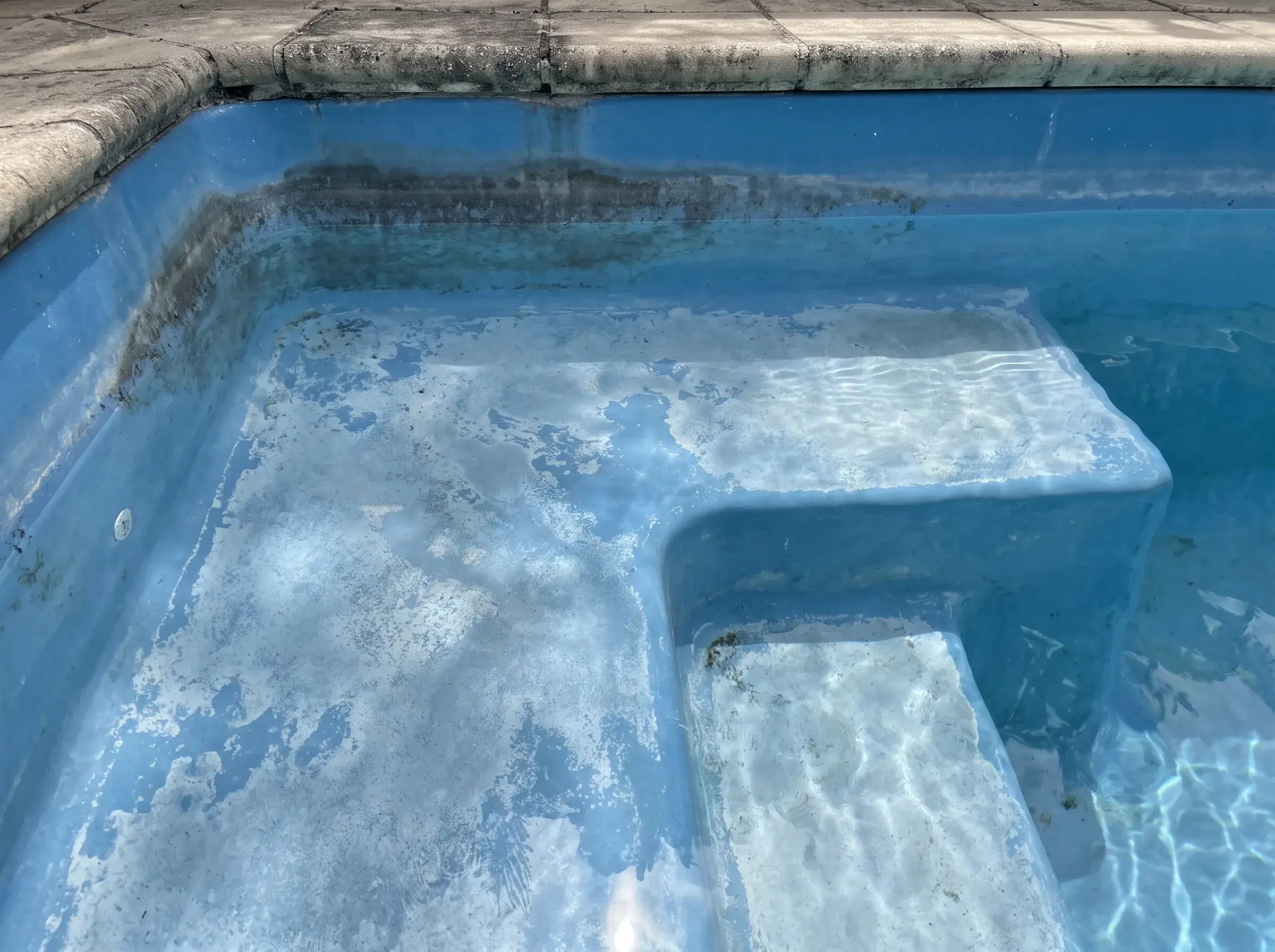
Will your new fibreglass pool still look as good in ten years as it does today? Or could you end up staring at a faded, washed-out version of the beautiful pool you paid for?
It's a reasonable concern when you're spending serious money on a swimming pool, particularly when the colour is one of the first things you choose.
But a pool that looks faded may have damaged gelcoat, or it might have a layer of calcium hiding the colour underneath. There's a big difference between the two, particularly when it comes to putting things right.
So, whether you're researching a new fibreglass pool or wondering why your existing pool has lost its sparkle, understanding what causes fading, what can be fixed and what can be prevented is well worth a few minutes of your time. For the rest of your pool care routine, see our fibreglass pool maintenance guide.
|
Quick Answer Do fibreglass pools fade, and what causes fading? A quality fibreglass pool shouldn't simply fade because it's getting older. The main cause of genuine colour fading is prolonged exposure to excessively high chlorine levels, which can bleach the gelcoat. UV exposure can also cause fading, particularly when the gelcoat has been poorly manufactured or applied. Chalking is deterioration of the gelcoat surface, while calcium build-up can make a pool look faded even though the original colour is still underneath. Calcium deposits can often be removed, while genuine fading and chalking may require professional restoration. |
Does a Fibreglass Pool Actually Fade Over Time?
Yes, fibreglass pools can fade, but a well-made pool is designed to retain its colour over time.
The colour comes from the pigmented gelcoat applied during manufacturing. It's not a coat of paint sprayed over the finished pool. That gelcoat is made to withstand Australian sunshine and normal pool water chemistry.
What Causes Genuine Gelcoat Fading?
There are two main causes of genuine colour fading in fibreglass pools: chlorine bleaching and UV damage. Both can affect the gelcoat's appearance, but they happen for different reasons.
Chlorine Bleaching
Chlorine is essential for keeping your pool water clean and safe to swim in. Unfortunately, it's also a bleaching agent. And just like adding too much bleach to your washing, excessive chlorine can permanently change the colour of your pool's gelcoat.
The problem isn't normally a temporary spike in chlorine levels. It's when chlorine concentrations remain excessively high for extended periods, gradually bleaching the pigments in the gelcoat.
For example, if your saltwater chlorinator is producing more chlorine than your pool needs and you aren't regularly testing the water, chlorine levels can remain too high for weeks or even months.
Low pH adds to the problem by making chlorine more aggressive. Adding concentrated chlorine directly onto the gelcoat can also cause localised bleaching.
The good news? Chlorine bleaching is entirely preventable. Simply maintain the correct chlorine and pH levels, test your pool water regularly and adjust your chlorinator's output as needed. It's all part of normal pool maintenance, so there's no reason to lose sleep worrying about your pool losing its colour.
UV Damage and Gelcoat Quality
A swimming pool is meant to spend its life in the sun. Its gelcoat should be up to the job.
Modern pool gelcoats are formulated to resist UV damage and retain their colour and gloss. Inferior materials, incorrect application or poor curing can leave a surface vulnerable to fading, particularly above the waterline.
That's why the gelcoat deserves as much attention as the colour you choose.
At CFPK, we supply pools with premium gelcoat finishes, including AquaGuard-X™, developed by allnex specifically for fibreglass swimming pools. Its published product guide describes improved resistance to UV exposure, weathering and chemical attack.
Two pools can look identical on delivery day. What goes into the gelcoat, and how well the shell is made, matters years down the track.
Is It Fading, Chalking or Calcium Build-Up?
A pale-looking pool isn't always a faded pool. Gelcoat chalking and calcium build-up can change its appearance, but they're different problems.
What Is Gelcoat Chalking?
Gelcoat chalking occurs when the outer surface of the gelcoat begins to deteriorate, leaving it looking dull, faded or powdery.
Unlike chlorine bleaching, which affects the colour pigments, chalking involves the breakdown of the gelcoat surface itself. You may notice a loss of gloss or a fine, chalky residue when rubbing your hand over an affected area.
Chalking isn't something owners should expect from a properly manufactured and maintained pool. It's generally associated with poor water chemistry, inferior gelcoat materials or problems with application and curing.
Could the Fading Actually Be Calcium Build-Up?
Absolutely. And that's worth checking before you blame the gelcoat!
Calcium build-up occurs when dissolved calcium in your pool water forms deposits on the gelcoat. These deposits can leave a white, cloudy or rough-looking film that makes the original pool colour appear faded.
High calcium hardness, incorrect pH and alkalinity levels, and warmer water temperatures can all contribute to calcium deposits forming.
Here's the important difference: calcium sits on top of the gelcoat rather than changing its colour. Remove the calcium and, provided the underlying gelcoat hasn't been damaged, the original colour will still be there.
Can a Faded Fibreglass Pool Be Restored?
Yes, in many cases a fibreglass pool can be restored to its original appearance, but it depends on what's causing the discolouration. Some problems are relatively straightforward to fix, while others require professional restoration.
Calcium build-up: This is generally the easiest problem to fix. Calcium deposits can often be dissolved and removed using a calcium treatment suitable for fibreglass pools, revealing the original colour underneath. You'll also need to correct the water chemistry that caused the build-up, otherwise the calcium may return.
Gelcoat chalking: If the deterioration is relatively mild, professional polishing may remove the affected surface layer and restore its gloss. More extensive deterioration may require the gelcoat to be professionally resurfaced.
Chlorine bleaching or UV fading: Unfortunately, once the gelcoat pigments have been permanently damaged, a cleaning product won't bring the original colour back. Polishing may improve the surface gloss, but significant colour loss generally requires specialist refinishing or resurfacing.
Whatever the problem, avoid reaching for abrasive cleaners, sandpaper or strong acids in an attempt to restore the colour. You could end up damaging perfectly good gelcoat and turning a relatively inexpensive repair into a much bigger job.
How Do You Prevent Fibreglass Pool Fading and Surface Deterioration?
Keeping your fibreglass pool looking its best isn't complicated. It comes down to choosing a well-manufactured pool and maintaining the correct water chemistry. You don't need expensive protective treatments or a complicated maintenance routine.
Start With a Quality Gelcoat
Prevention starts before your pool is even installed. A premium gelcoat that's correctly applied and cured provides the foundation for long-term colour and gloss retention.
When comparing fibreglass pools, ask what gelcoat the manufacturer uses, whether it's specifically formulated for swimming pools and what cosmetic warranty is provided.
Don't confuse a structural warranty with a cosmetic warranty. They're two very different things, and understanding what's covered is worth a few minutes before you buy.
If you're choosing a finish, our guide to fibreglass pool colours can help you compare the options.
Maintain the Correct Water Chemistry
Once your pool is installed, maintaining balanced water is the most important thing you can do to protect its finish.
A few simple habits will keep you on track:
-
Test your chlorine regularly. Adjust your chlorinator's output to suit the season, water temperature and how frequently the pool is being used. More chlorine is definitely not better.
-
Keep your pH balanced. Aim for a pH of 7.2 to 7.6, unless your pool manufacturer's instructions specify otherwise.
-
Monitor calcium hardness and total alkalinity. Keeping these within the recommended ranges helps prevent calcium deposits forming on the gelcoat.
-
Add pool chemicals correctly. Follow the manufacturer's dosing instructions and never allow concentrated chemicals to settle against the gelcoat.
If you're unsure about your water chemistry, take a sample to your local pool shop for a full water test. It's a simple way to identify anything that needs adjusting before it becomes a problem. Our year-round fibreglass pool maintenance guide has more seasonal advice.
What Should You Do If Your Pool Looks Faded?
If your fibreglass pool has started looking faded, don't rush out and buy the strongest cleaning product you can find. First, establish what's actually happening to the surface.
A few simple steps will help narrow down the problem:
-
Take some photographs. Include close-ups of the affected areas and wider shots showing where the discolouration is occurring. Is it above the waterline, on the steps or across the entire pool?
-
Check your water chemistry. Have your pool water tested for chlorine, pH, alkalinity and calcium hardness. Keep a copy of the results, along with any previous water tests you have available.
-
Speak with your pool supplier. Send them the photographs and water-test results. They can help identify the likely cause and recommend whether further inspection or treatment is required.
If your pool was supplied by CFPK, get in touch with our team. We're happy to help you work through the problem before you spend money on treatments that might not be needed.
Will Your Fibreglass Pool Keep Its Colour?
A well-made fibreglass pool should retain its colour and finish for many years. If you're still shopping, pay as much attention to gelcoat quality and the cosmetic warranty as you do to choosing your favourite colour.
If your existing pool is looking a little worse for wear, find out what's happened to the surface before deciding on a repair.
After all, you bought a swimming pool to enjoy, not another weekend maintenance project!

Frequently Asked Questions
My Chlorine Levels Are Normal Now. Could Earlier Over-Chlorination Have Caused Fading? Yes. A water test tells you what's happening today, not what your gelcoat was exposed to several months ago. Check previous water-test results, chlorinator settings and any manual chlorine additions. This history, together with an inspection of the surface, can help establish whether earlier over-chlorination contributed to the fading.
Does a Fibreglass Pool Warranty Cover Fading? Yes. A fibreglass pool's cosmetic warranty should cover fading or gelcoat deterioration caused by manufacturing defects, including problems with gelcoat application or curing. However, damage caused by incorrect water chemistry or chemical misuse is generally excluded. Check your manufacturer's warranty conditions and contact your pool supplier if you suspect a manufacturing defect.
Can I Drain My Fibreglass Pool to Remove Stains or Restore the Gelcoat? You can lower the water level slightly to access areas around the waterline. However, significantly draining a fibreglass pool can cause the shell to move or the walls to distort due to external ground pressure. If you need to lower the water further, contact your pool manufacturer for specific instructions to ensure the pool remains structurally supported.
For a broader look at pool construction and maintenance risks, see Fibreglass Pools: Do They Crack, Fade or Leak?.

