










 Affordable Financing
 Fibreglass Pool Install Stages
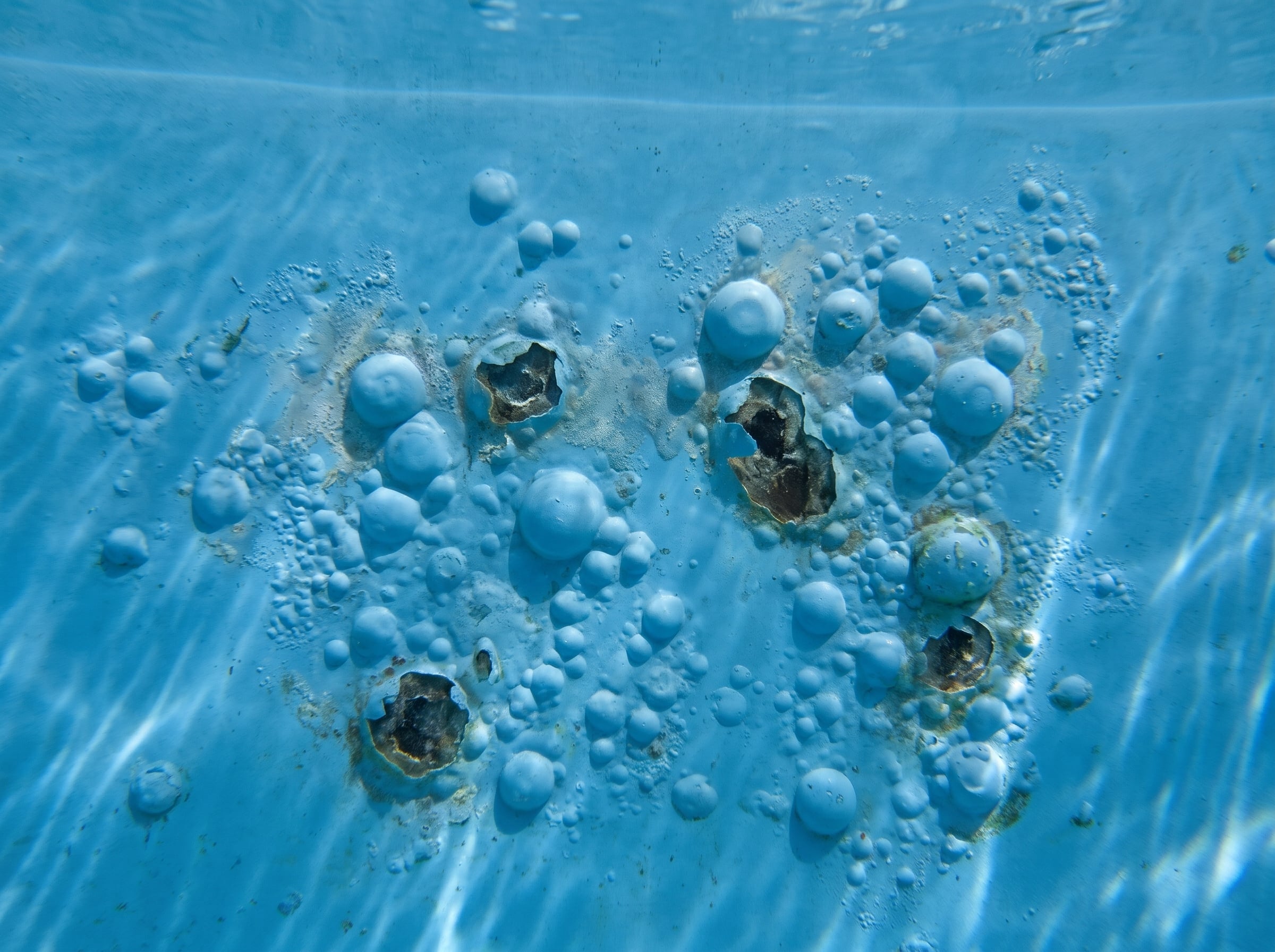
Osmosis is the most-feared gelcoat issue in fibreglass pools. Most owners will never see it, but understanding what causes it and how to prevent it is worth a few minutes. It's the bogeyman of our fibreglass pool maintenance guide: real, rare, and almost entirely preventable with good habits.
Whether you DIY or use a service, the owner-side prevention is the same handful of chemistry habits below.
|
Quick Answer How do you prevent osmosis in a fibreglass pool? Osmosis blistering occurs when moisture from pool water or surrounding groundwater enters the shell and forms concentrated pockets of liquid within the laminate. These draw in more water, building pressure until blisters form. Prevention starts at the factory with quality gelcoat, a vinyl ester barrier layer and correct application and curing. Owners protect the surface by keeping water chemistry within the manufacturer’s recommended limits and seeking professional advice before draining. Good maintenance matters, but it cannot compensate for manufacturing defects. |
What Osmosis Actually Is
Osmosis is the movement of water through a semi-permeable barrier, from a solution with a lower concentration of dissolved substances to one with a higher concentration. In a fibreglass pool, moisture can enter from the pool water through the gelcoat or from groundwater through the outside of the shell. When that moisture dissolves soluble materials within the laminate, including uncured resin components, it creates concentrated pockets of liquid that draw in more water. Chemical breakdown of susceptible resin can add to this process. Pressure builds within these pockets, eventually forming fluid-filled blisters beneath the gelcoat or within the laminate. These appear as raised bumps on the pool’s surface. They do not necessarily indicate an immediate structural problem, but they can grow and damage the bonds between layers. Having your pool covered in pimples is not the nicest thing to look at either.
Osmosis Prevention Starts at the Factory
The materials used and the care taken during manufacture are central to protecting a fibreglass pool against osmosis. Look for an Australian-made, pool-grade gelcoat with independently verified water, UV and chemical resistance, applied at the manufacturer’s specified thickness and properly cured. The gelcoat provides the first barrier against pool water. Behind it, a fibreglass layer made with vinyl ester resin provides additional protection against water migration and chemical attack. The complete shell construction must also account for groundwater exposure from the outside. Poor material selection, unauthorised dilution of the gelcoat, thin or uneven application, missing barrier layers, trapped air and incorrect catalyst ratios or curing conditions can all compromise that protection. A quality shell depends on getting the whole system right, from the surface finish through to the structural laminate.
This is a big part of why quality shells carry long structural warranties, whereas budget imported shells or cheaper locally made shells often carry a much shorter warranty. If you're shopping around, our lifetime warranty page sets out what's covered.
Where AquaGuard-X™ Fits
AquaGuard-X™ is our manufacturer's gelcoat finish, built with high-grade UV stabilisers for Australian conditions and engineered to resist water transmission and surface degradation over the long term. It's the reason the finish holds colour and gloss for decades. It isn't a set-and-forget guarantee, though: owner-side chemistry still matters, and the two together are what keep a shell in good shape past 20 years. Note that most gelcoat complaints owners actually see aren't osmosis at all, they're cosmetic chalking or staining from water chemistry, which we cover in our gelcoat care guide.
The Owner's Side of Prevention
Quality manufacture provides the foundation for osmosis resistance. Your role is to maintain the water and protect the gelcoat throughout the pool’s life. Good maintenance preserves that protection, but it cannot compensate for manufacturing defects.
-
Keep pH within the manufacturer’s recommended range. Prolonged exposure to unsuitable water chemistry can damage the gelcoat. Test regularly, with more frequent checks during heavy use, hot weather and after chemical adjustments.
-
Maintain the correct sanitiser level. Too little sanitiser allows algae and bacteria to grow, while excessive chlorine can damage the surface over time. Follow the recommendations for your pool and sanitising system. Maintaining chlorine is essential for clean, hygienic water, but it is not a direct treatment for osmosis.
-
Keep total alkalinity within the recommended range. Alkalinity buffers the water against sudden pH changes, making it easier to maintain suitable conditions. A common target is 80 to 120 ppm, but follow your manufacturer’s instructions.
-
Never drain the pool without professional advice. Groundwater pressure can lift or damage an empty shell. Routine cleaning normally does not require draining. If water replacement or repairs are necessary, consult the pool manufacturer or a suitably qualified pool professional first.

Frequently Asked Questions
Is osmosis common in fibreglass pools? Not since the early 1990’s. It is very rare if the shell is made by a reputable manufacturer. Modern materials, protective barrier layers and careful manufacturing reduce the risk. Staining, fading and chalking are different issues and should not be mistaken for osmotic blistering.
What causes osmosis blistering? Moisture entering the shell can dissolve soluble materials or react with susceptible resin components within the laminate. This creates concentrated pockets of liquid that draw in more water. Pressure builds and blisters form beneath the gelcoat or between laminate layers. Material selection, application and curing quality all influence the risk. Moisture can come from pool water or surrounding groundwater.
Can I fix osmosis myself? Genuine osmotic blistering is best assessed and repaired by a fibreglass pool specialist. Repair may require removing damaged material, drying the affected area and rebuilding the protective layers. Balancing the water or painting over the blisters will not repair the underlying problem. Contact your pool supplier before arranging repairs, particularly if the shell may still be under warranty.
Does draining help if I’m worried about osmosis? Draining alone will not fix osmosis. It can also leave the shell vulnerable to groundwater pressure, which can lift or damage an empty pool. Keep the pool at its normal operating level and arrange a professional assessment. If draining is necessary for inspection or repair, it should be planned and managed by a suitably qualified pool professional.


