.svg)









 Affordable Financing
 Fibreglass Pool Install Stages
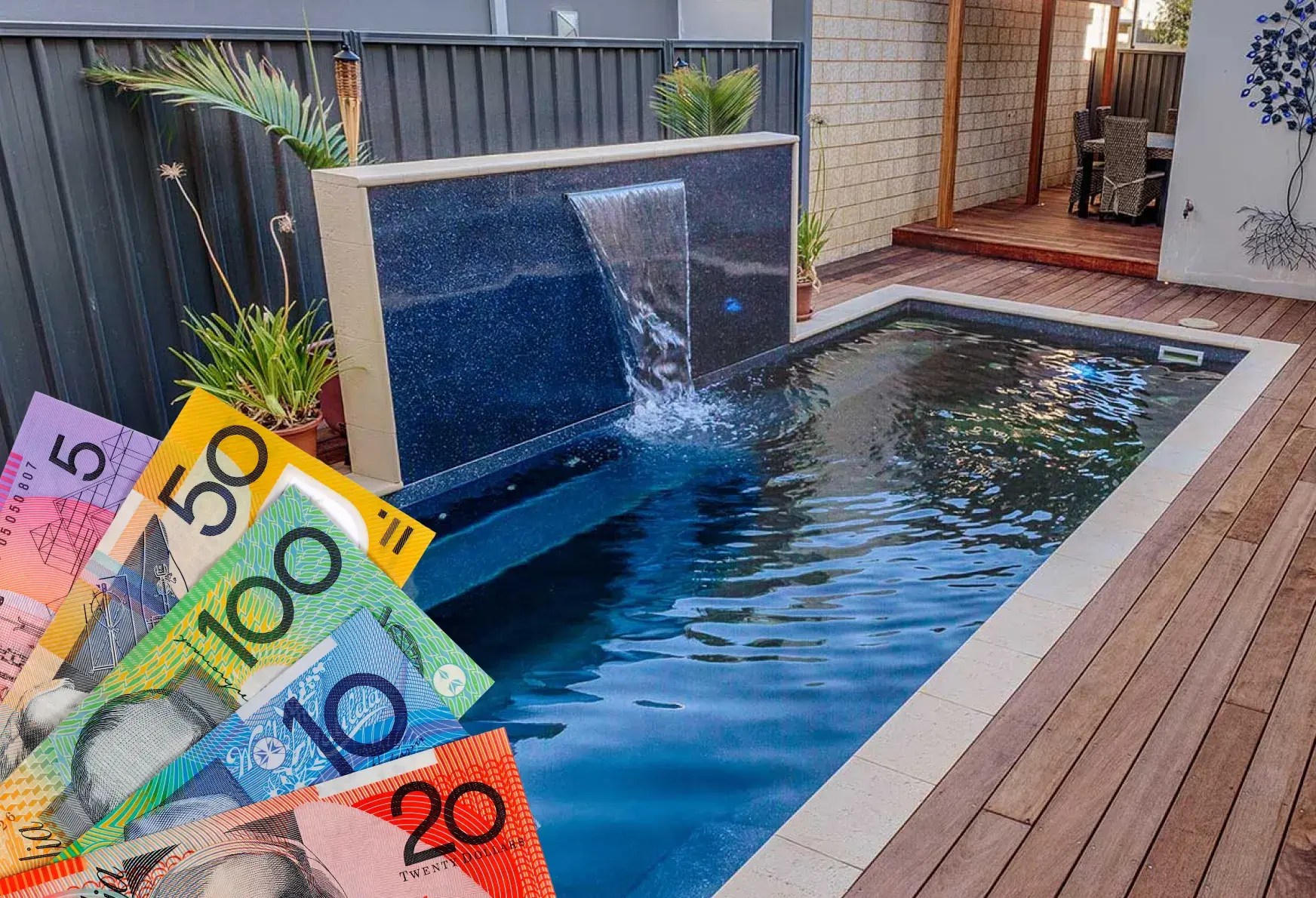
Three pool quotes for what looks like the same fibreglass pool can come back $30,000 apart.
That does not always mean one full service builder is ripping you off and another is your new backyard hero. In most cases, it means the quotes are covering different things.
One quote might include fencing, council approvals, crane access, paving and project management. Another might only include the pool shell, equipment and basic installation. A DIY pool kit quote is different again, because it gives you the pool and equipment, but leaves the on-site trade costs separate.
That is where homeowners get stuck. You are trying to compare apples with apples, but one quote is an apple, one is an orange, and one might be a fruit salad with the fencing missing.
In this guide, we break down why fibreglass pool prices vary between installers, what drives the gap, where DIY pool kits can save money, and the red flags to check before signing.
Quick Answer: Why do fibreglass pool prices vary between installers?
Fibreglass pool prices vary because quotes often include different products, different scopes of work and different levels of risk. Shell quality, equipment inclusions, excavation, crane access, paving, fencing, council approvals, builder margin and site conditions can all change the final price.
A 10–25% gap between reputable pool quotes can be normal. A quote that is 30% or more cheaper than the others usually needs a closer look, because something important may be missing.
For DIY pool kit buyers, the main saving usually comes from removing the full-service builder margin. The trade costs still exist, but you control who does the work and what gets included.
If you want a comprehensive breakdown of all the costs check out the Complete Fibreglass Pool Cost Guide, which covers every cost driver from shell to surrounds. This content zeroes in on the quote itself.
Before You Compare: Know Which Type of Quote You’re Looking At
What is a full-service fibreglass pool builder quote?
A full-service fibreglass pool builder quote usually includes the pool shell, equipment, installation, trade coordination, indemnity insurance, council approvals, project management, certification and some level of warranty support. It may also include fencing, paving and landscaping, depending on the builder’s scope.
What is a DIY fibreglass pool kit quote?
A DIY fibreglass pool kit quote usually includes the pool shell and equipment. The homeowner then organises the on-site costs separately, such as excavation, crane access, plumbing, electrical, fencing, paving and certification as an owner builder.
What is a hybrid fibreglass pool quote?
A hybrid fibreglass pool quote usually means you buy the pool kit separately, then engage a licensed installer or individual trades to handle some or all of the on-site work. It sits between fully DIY and a full-service builder quote.
Why Pool Build Pricing Varies in 2026
Once you look closely, most price gaps come down to five main drivers.
Two builders might both be quoting a 7 metre fibreglass pool, but one quote may include better equipment, clearer excavation allowances, council coordination, crane access, paving and fencing. Another may include a thinner installation scope.
The same applies if you are comparing a full-service pool builder quote against a DIY fibreglass pool kit. A kit quote is only one part of the total project cost, so you still need to allow for excavation, crane access, plumbing, electrical, backfill, fencing, paving, approvals and certification.
Here are the five real drivers of price variation.
1. Pool shell quality and brand
Most fibreglass pool shells sold in Australia are locally made, but they are not all the same.
Some shells come with a 20 or 25-year structural warranty. Others come with a longer warranty, such as 35 years. The pools may look similar in a brochure, but the warranty terms, gelcoat finish, manufacturing process and long-term support can be different.
When comparing quotes, check:
-
the pool shell brand
-
the structural warranty
-
the gelcoat or surface warranty
-
who handles warranty support
-
what can void the warranty
A shorter warranty does not automatically mean a bad pool. It just means you need to understand what you are paying for and what protection you have after the pool goes in.
2. Kit inclusions
The pool shell is only one part of the quote.
The difference between a quality brand and cheaper imported brand can change the price by $1,000 to $4,000.
One quote might include a higher-quality filtration system, a properly sized salt chlorinator and LED lighting. Another might include more basic equipment that still works, but may not offer the same performance, efficiency or convenience.
Both quotes may say “filtration included”, but that does not mean they include the same gear.
This is where many homeowners get caught. They compare the total price without checking what equipment is actually being supplied.
3. Scope of installation
This is where pool quotes really start to separate.
One quote might include excavation, soil removal, crane access, plumbing, electrical connection, bond beam, basic coping, council approvals and handover. Another might exclude some of those items, or include them only as allowances.
That does not mean the cheaper quote is dodgy. It might simply be a smaller scope. But if you do not spot the difference before signing, the “cheaper” quote can become expensive once the missing pieces are added back in.
At a minimum, check whether the quote includes excavation, soil removal, crane access, plumbing, electrical, bond beam, coping, paving, fencing, council approvals, certification and handover.
4. Service level and builder reputation
Some pool builders charge more because they offer a more complete service.
A long-established builder with strong reviews, experienced staff, clear systems, good communication and a reputation to protect will usually charge more than a smaller operator offering a basic, bare-bones service.
That does not automatically make one good and the other bad. It is a bit like comparing a BMW 3 Series with a Toyota Camry. Both can be excellent cars, but they are built for different buyers, different expectations and different budgets.
With pool quotes, the same idea applies. One builder may be charging more because they manage everything, communicate well, use trusted trades, have stronger after-sales support and reduce the amount of stress on your side. Another may cost less because you are taking on more of the organising, decision-making or risk yourself.
The important thing is knowing which one you are actually buying.
5. Site risk
Your block can change the price quickly.
Rock, slope, tight access, groundwater, poor soil, underground services and difficult crane access can all increase the cost of a fibreglass pool installation.
Some full-service pool builders price this risk into the quote upfront. Their quote may look higher, but it gives them room to manage surprises.
Other builders quote a lower base price and charge variations if the site is harder than expected.
For DIY pool kit buyers, the risk sits with you. That does not mean DIY is a bad idea. It just means you need a proper contingency in your budget, usually around 10–15%, so one surprise does not blow up the whole project.
The key is not finding the cheapest quote. It is finding the clearest quote.
A clear quote tells you what is included, what is excluded, what is allowed for and what happens if your site throws a curveball. Because in pool building, the nasty surprises are rarely in the big number at the bottom. They are usually hiding in the vague little lines above it.
For the wider context on what your money buys, our fibreglass pool cost guide walks through the 2026 ranges across both buyer paths.
The Fixed Costs That Don't Vary Much
Some pool costs do not change dramatically just because you choose a different builder or go down the DIY pool kit path.
These costs are usually shaped by your location, site access and local trade rates, not by the pool company’s logo on the quote.
Common examples include:
-
Council and certification fees, which are set by your council, certifier or state requirements
-
Crane access, which depends on reach, access, lift time and the size of crane needed
-
Soil removal and tipping fees, which depend on local disposal costs and how much material leaves the site
-
Pool safety inspection, which is usually charged by a registered pool safety inspector
-
Electrical connection and bonding, which must be completed by a licensed electrician
For DIY buyers, these costs are usually paid directly to the relevant trade or authority. For full-service pool builder quotes, they may be bundled into the overall price or listed as allowances.
Either way, they still exist.
If one quote is much higher or lower on these items, ask why. There may be a genuine scope difference, or the quote may not be presented clearly enough.

The Variable Margin: Where DIY and Turnkey Cleanly Split
This is where the two buying paths genuinely separate.
A full-service fibreglass pool builder’s price includes more than the shell, equipment and trades. It also includes project management, scheduling, admin, overheads, builder’s indemnity insurance, warranty risk, business margin and the convenience of having one company responsible for the job.
For some homeowners, that service is worth every dollar. For confident organisers, hands-on homeowners or families with tradie contacts, a DIY pool kit can make more sense because you remove the full-service builder margin and manage more of the project yourself.
If You’re Hiring a Full-Service Fibreglass Pool Builder
A full-service fibreglass pool builder is selling convenience, coordination and accountability, not just a pool.
A larger premium operator may have more staff, stronger systems, admin support, dedicated project managers, clearer communication processes and a more structured warranty pathway. Those things cost money, and they are usually built into the quote.
A smaller full-service fibreglass pool builder may be a husband-and-wife team with a few trusted trades. They may have lower overheads, which can make the quote cheaper. That does not mean they are worse. Some smaller operators are excellent. But you may not get the same level of admin support, communication structure or backup that comes with a larger business.
You are not just comparing the pool. You are comparing the service sitting around the pool.
Good questions to ask include:
-
Who will I speak to during the build?
-
Do you have an admin team I can send questions to?
-
Who manages warranty claims if something goes wrong?
-
What parts of the project are you managing for me, and what parts am I still responsible for?
If You’re Going Down the DIY Pool Kit Path
With a DIY fibreglass pool kit, the main saving usually comes from removing the full-service builder margin.
The trade costs do not magically disappear. You still need excavation, crane access, plumbing, electrical, backfill, bond beam, paving, fencing, approvals and certification.
But you have more control over how those costs are managed.
You can choose your own trades, compare quotes directly, decide which parts you want help with and avoid paying a full-service builder to manage every moving piece.
If you are an excavator operator, crane operator, sparky, plumber, concreter or experienced hands-on person, you may be able to reduce some costs further by legally doing parts of the work yourself. Licensed work still needs to be completed by the right licensed trade.
Think of it like renovating a kitchen.
You can hire a kitchen renovation company to manage everything from design to install, and pay for that convenience. Or you can buy materials yourself, organise some trades, do parts of the job where you are capable, and save money by managing more of it yourself.
A fibreglass pool is similar.
Neither path is right for everyone. The best choice depends on your budget, site, skills, confidence and how much time you want to put into managing the job. Just be honest with yourself about which kind of buyer you are. The DIY fibreglass pool installation guide goes deeper if you're leaning that way.
Trying to compare a builder quote with a DIY pool kit?
A line-itemised CFPK kit quote can help you see what sits inside the kit price and what still needs to be allowed for on site.
The Inclusions Difference: Where the Headline Numbers Lie
Whether you are comparing full-service fibreglass pool builder quotes or adding up your own trade quotes for a DIY pool kit, inclusions are where the big price gaps often hide.
A cheap quote and an expensive quote may not be pricing the same finished pool.
| Quote item | Quote A may include | Quote B may exclude or list as allowance |
| Pool shell | Named brand, warranty, colour | Vague shell description |
| Equipment | Pump, filter, chlorinator, lights | Basic or unspecified equipment |
| Excavation | Included with clear allowance | Excluded or “standard excavation” |
| Crane access | Included with allowance | Separate cost |
| Council approvals | Included | Owner to arrange |
| Fencing | Included or allowed for | Excluded |
| Paving | Specific area or material | Not included |
| Variations | Written unit rates | “To be confirmed” |
Whether you are comparing full-service fibreglass pool builder quotes or adding up your own trade quotes for a DIY pool kit, inclusions are where the big price gaps often hide.
A cheap quote and an expensive quote may not be pricing the same finished pool.
This is why the cheapest quote is not always the cheapest finished pool.
One quote might look $10,000 cheaper because fencing, paving, council fees and electrical work are not included. Another quote may look expensive because those items are already allowed for.
For DIY buyers, the same rule applies. You are still comparing inclusions, just across separate quotes from different trades instead of one builder’s bundle.
A low headline price can mean a good deal. It can also mean a thin scope.
For the line-by-line breakdown of what should and shouldn't appear on either kind of quote, see fibreglass pool quote inclusions.
Red Flags: When a Pool Installation Quote Should Worry You
The cheapest quote is not always wrong, and the most expensive quote is not always right.
But whether you are comparing a full-service fibreglass pool builder, a local licensed installer, or trade quotes for a DIY pool kit, some warning signs should make you pause.
Common Red Flags
A quote that is much cheaper than the others
If one quote is 30% or more cheaper, ask why. It may be a genuine saving, but it often means something important is missing.
Vague allowances
Lines like “standard excavation included”, “basic electrical included” or “allowance for crane” need detail.
No clear warranty terms
A verbal “long warranty” is not enough. You need written warranty details for the shell, equipment and installation work.
No licence or insurance details
A reputable builder, installer or trade should be comfortable providing licence and insurance details.
Pressure to sign quickly
Be careful with “today only” discounts or pressure to sign before you have properly compared the quote. A fibreglass pool is a big decision, not a Sunday arvo sausage sizzle special.
Large upfront payment requests
Deposits are normal, and around 10% is common. Be cautious if someone asks for a large upfront payment before meaningful work has started.
Cash-only or no invoice
Walk away from cash-only work with no invoice. You may need paperwork for warranty, insurance, council approvals, compliance certificates and future property records.
Bad-mouthing competitors
A good operator should be able to explain their own quote clearly. If they spend more time attacking everyone else than explaining their inclusions, process and pricing, be careful.
The real red flag is not always the price. It is lack of clarity.
For the specific questions to ask either kind of respondent, see questions to ask your pool installer before signing.
The Smart Questions to Ask Every Quote
Whether you are comparing a full-service fibreglass pool builder quote, a local licensed installer quote, or individual trade quotes for a DIY pool kit, the goal is the same.
You want to understand what is included, what is excluded, who is responsible for each part of the job, and what could cost extra later.
1. What exactly is included in this quote?
Ask them to walk you through the quote line by line.
For a full-service builder or installer, check whether the quote includes the pool shell, equipment, excavation, crane access, soil removal, plumbing, electrical work, bond beam, backfill, coping, paving, fencing, council approvals, certification and handover.
For individual trades, ask exactly where their scope starts and stops.
2. What is excluded?
Exclusions matter just as much as inclusions. A quote may look cheaper because it leaves out fencing, paving, electrical work, crane costs, council fees or certification. That is not necessarily a problem, as long as you know about it before you sign.
3. Which items are allowances, and how are variations handled?
Allowances are common for excavation, rock, crane time, soil removal, paving and electrical work. Ask what each allowance covers, what happens if the real cost is higher, and whether extra costs need written approval before the work goes ahead.
4. What happens if we hit rock, groundwater, tight access or unexpected site issues?
Site surprises are one of the biggest reasons pool prices move. Ask how those issues are priced and who is responsible for making decisions if they come up.
5. Are you licensed and insured for this work?
Ask for relevant licence numbers and current insurance details.
For builders and installers, ask about public liability insurance and builder’s indemnity insurance where applicable. For DIY trade quotes, make sure plumbing and electrical work will be done by the correct licensed trades.
6. Who manages council approvals and certification?
Some quotes include this. Some leave it to the homeowner. Ask who is responsible for council paperwork, engineering documents, inspections, compliance certificates and pool safety certification.
7. Who will I speak to during the project?
Ask whether you will deal with the business owner, a project manager, an admin team, the installer, or individual trades.
This helps you understand the level of service behind the quote. A larger operator may have more structure. A smaller operator may be more direct. Neither is automatically better, but you need to know what you are paying for.
8. Who manages warranty claims if something goes wrong?
Ask what warranty applies to the pool shell, equipment and installation work, then ask who you contact if there is a problem.
With a full-service fibreglass pool builder, they may manage the process for you. With a DIY pool kit and local installer, responsibility may be split between the shell supplier, equipment supplier and installer.
9. Are you using your own crew or subcontractors?
Both can be fine. The important thing is knowing who is doing the work, who supervises them, and who is responsible if something needs fixing.
10. What is the payment schedule, lead time and confirmed start date?
Ask for the deposit amount, progress payment stages, likely start date and expected timeframe in writing.
A deposit around 10% is common. Progress payments should be linked to clear stages of work, not vague promises.
11. Can I speak with recent customers?
Reviews are useful, but recent customer references can tell you what the process was actually like. Ask about communication, timing, site cleanliness, variations, problems and how the builder, installer or trade handled issues.
The Simple Test
Before signing, ask:
“Can you show me exactly what is included, what is excluded, what is allowed for, and what could become an extra cost?”
If they can answer that clearly, you have something worth comparing. If they cannot, you may not be comparing apples with apples yet.
The shortlist of installers and trades who answer these questions clearly is the shortlist worth taking seriously.
Frequently Asked Questions
Why do pool quotes for the same pool vary so much?
Pool quotes vary because they are often not quoting the same scope. One may include fencing, paving, council approvals, crane access, electrical work and project management. Another may exclude those items or list them as allowances. Shell warranty, equipment quality, local demand and site risk can also change the price.
Is the cheapest pool installer always a bad idea?
No. A cheaper installer is not automatically a bad choice. They may have lower overheads, a smaller team or a simpler service model. The concern is when the quote is much cheaper and does not clearly explain what is included, excluded or allowed for.
Should I always get three pool quotes?
Three quotes is usually a good starting point. It gives you enough information to spot major price differences without drowning in options. The key is not just getting three prices, it is comparing the same scope across all three quotes.
What is the typical builder margin on a fibreglass pool?
A full-service fibreglass pool builder’s margin covers more than profit. It helps pay for project management, admin, scheduling, overheads, warranty risk, builder’s indemnity insurance where required and business costs. DIY pool kit buyers can often save by removing some of that margin, but they take on more coordination.
Can I negotiate a pool quote?
Sometimes. Items like council fees, certification, crane costs and trade rates may not move much. Builder margin, optional upgrades, inclusions or timing may have more flexibility. The best approach is to ask clear questions rather than simply asking someone to “beat the other quote”.
Can I go fully DIY without using any trades?
Usually, no. DIY does not mean doing every part yourself. Most DIY fibreglass pool projects still need licensed trades for plumbing into sewer mains, electricians for installing power points, crane lifting and pool safety certification. DIY usually means you are managing the project and choosing the trades, not doing every licensed job yourself.
Does the kit cost the same whether I install it or hire someone?
Yes. The fibreglass pool kit price is the same whether you install it as an owner builder, use your own licensed installer, or work with an installer referral. The difference is what you pay on top for trades, site work, project management and finishing items.
Comparing pool quotes can feel messy, especially when one builder is $15,000 or $30,000 higher than another and everyone says their quote is the better one.
But once you understand what each quote includes, what it leaves out, and who is responsible for the tricky parts, the price difference usually starts to make more sense.
If you are comparing a full-service fibreglass pool builder quote against a DIY pool kit or local installer quote, Complete Fibreglass Pool Kits can help you understand what you are looking at.
We can walk you through the kit inclusions, explain what costs usually sit outside the kit, and help you work out whether the DIY or hybrid path is worth considering for your site, budget and confidence level.
You do not need to become a pool expert overnight. You just need to know whether you are comparing apples with apples, or apples with a very expensive fruit basket.
Have a pool quote you are not sure how to compare? Contact Complete Fibreglass Pool Kits and get a clear, line-itemised kit quote you can compare against any full-service builder or installer quote. Grab a kit quote.


