
.svg)









 Affordable Financing
 Fibreglass Pool Install Stages
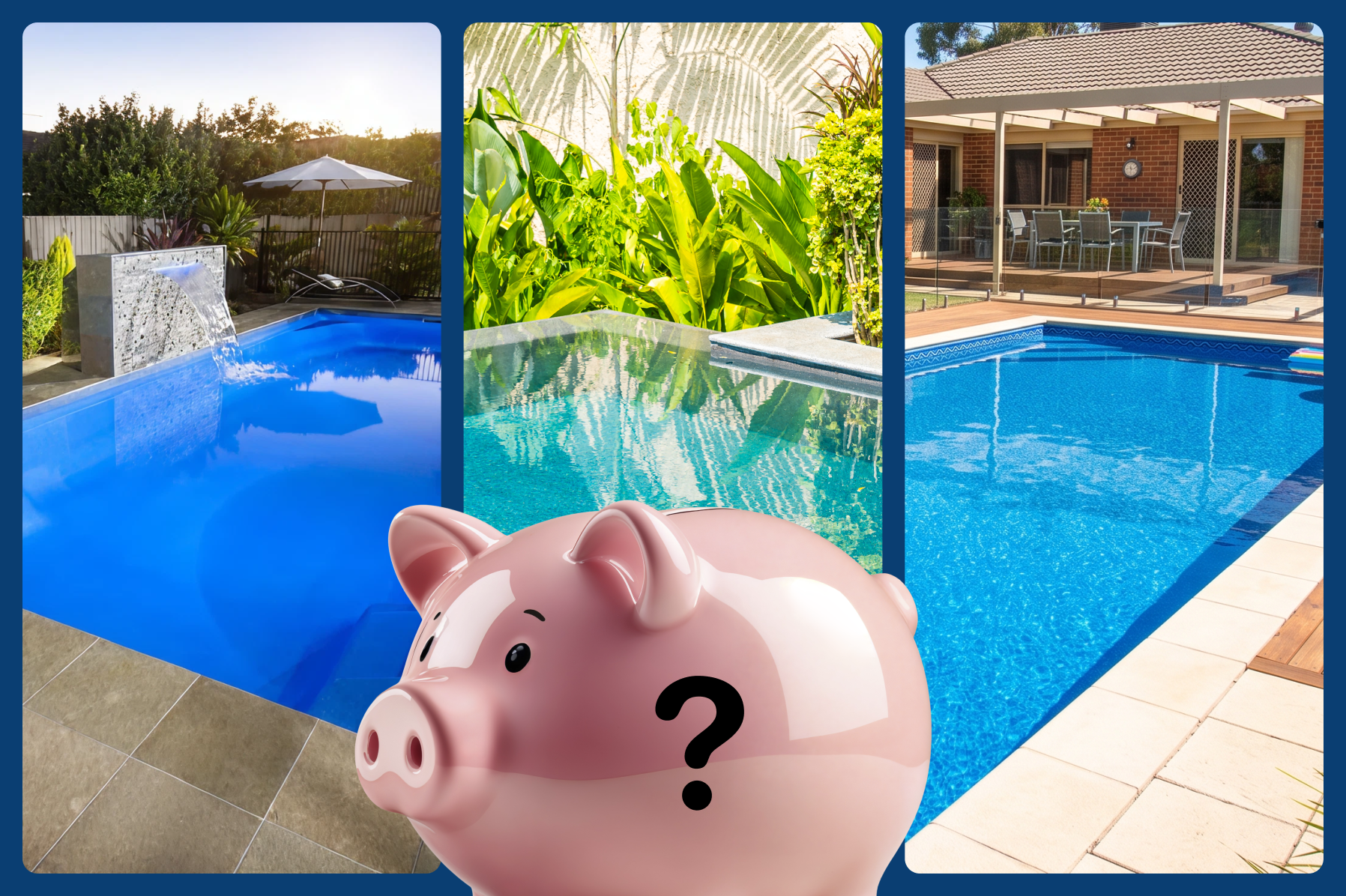
The pool that costs least to put in your backyard isn't always the one that costs least to own. Stretch the timeline out to 15 or 20 years and the picture shifts, and not always the way the upfront sticker suggests. Lifetime cost, not headline price, is the number that decides which pool actually saves you money, and it's the most overlooked input in any Fibreglass vs Concrete vs Vinyl Pools decision.
Whether you're DIYing the build or paying a licensed installer to run it, the ownership costs after handover are the same. The upfront figure is where the DIY-versus-installer choice shows up.
|
Quick Answer Across 20 years of typical Australian ownership, vinyl may produce the lowest cash cost in a lower-cost scenario, but fibreglass offers the strongest balance of predictable ownership costs, low routine maintenance, long surface life and fewer major replacement events. Using the assumptions in this comparison, fibreglass has an indicative 20-year subtotal of approximately $55,000 to $76,000, vinyl approximately $47,000 to $80,000, and concrete approximately $105,000 to $130,000-plus. These are 2026 Australian-dollar planning figures for a mid-size pool and exclude costs common to every pool, including major equipment replacement, optional heating and professional servicing. |
Why Lifetime Cost Beats Upfront Cost
Upfront cost is the figure every pool company leads with. It's also only part of the story. There are two reasons for that.
First, pool structures can last for decades. You're making a decision that will outlive at least one car, probably two. The pool itself may last 25 to 40 years, but its internal surfaces and liners have different maintenance and replacement cycles.
Second, the big bills aren't random. Concrete resurfacing happens on a roughly 10-to-15-year cycle. Vinyl liner replacement happens every five to 10 years. The year-on-year gap in chemicals, cleaning and energy adds up quietly in between.
The gap between a cheap vinyl pool and a mid-range fibreglass one can narrow considerably by year 15. That's the shift nobody mentions in the showroom.
What Each Pool Costs to Install
As a rough 2026 guide, full-service and fully installed with broadly comparable basic inclusions:
-
Fibreglass: $35,000 to $50,000 for a small pool, $45,000 to $60,000 for a mid-size pool, and $60,000 to $85,000-plus for a large pool with quality surrounds.
-
Concrete: From around $55,000 for a small pool, $75,000-plus for a mid-size pool, and $100,000-plus for larger custom designs.
-
Vinyl: Approximately $15,000 to $20,000 for a small pool and $25,000 to $35,000 for a mid-size pool.
These figures assume a straightforward site and broadly comparable inclusions. Always check exactly what fencing, paving, landscaping and equipment are included before comparing quotes.
Vinyl wins the upfront contest. Fibreglass sits in the middle. Concrete starts highest and climbs fastest once custom shapes, finishes and site complexity enter the picture.
Now run those numbers forward.
The 20-Year Picture
|
Cost |
Fibreglass |
Concrete |
|
Upfront installed cost for a mid-size pool |
$45,000–$60,000 |
$75,000+ |
|
Routine annual upkeep* |
$500–$800 |
$1,200–$2,000 |
|
Routine upkeep over 20 years |
$10,000–$16,000 |
$24,000–$40,000 |
|
Major surface event over 20 years |
No scheduled resurfacing; cosmetic polishing or restoration may occasionally be required |
One resurface after approximately 10–15 years: $6,000–$15,000, potentially more for larger pools or premium finishes |
|
Structural warranty |
CFPK: 35 years |
Commonly around seven years; some premium builders offer up to 10 years |
|
Surface or cosmetic warranty |
CFPK: six years standard or 20 years with MarbleTech |
Varies by builder and finish |
|
Indicative 20-year subtotal* |
$55,000–$76,000 |
$105,000–$130,000+ |
*These figures are a 2026 planning guide for a mid-size pool. The indicative subtotal includes installation, routine pool-type-dependent upkeep and scheduled surface or liner replacement. It excludes financing, inflation, professional servicing, optional heating, insurance, water, landscaping repairs and major pool-equipment replacement.
The Year-on-Year Difference
Concrete runs more expensively from day one. As a guide, routine pool-type-dependent upkeep runs around $1,200 to $2,000 a year for concrete, compared with $500 to $800 for fibreglass and $800 to $1,200 for vinyl.
These figures exclude professional servicing, optional heating, water, insurance and major equipment replacement.
The driver is the surface. Concrete is porous. Algae finds a foothold, chemicals work harder and the pump runs longer. For heated pools, concrete may also carry up to 30% higher heating energy costs than an equivalent fibreglass pool because the shell absorbs and transfers more heat.
Fibreglass has a smooth, non-porous gelcoat surface. Algae has nowhere to grip. Chemical demand is lower and the filtration system does less work to achieve the same result.
Vinyl is also non-porous, which keeps its routine costs below concrete, but the liner is softer and needs more careful chemical management to avoid fading, wrinkles and premature damage.
For the full breakdown of what each pool type demands week to week, read our Maintenance Comparison: Fibreglass vs Concrete vs Vinyl Pools.

The Big-Bill Events
Annual costs matter. The major replacement events are where the long-term gap becomes obvious.
Concrete Resurfacing
A concrete pool typically needs resurfacing every 10 to 15 years. The cost is commonly $6,000 to $15,000, potentially more for larger pools or premium finishes.
That means one resurfacing event is likely within a 20-year ownership period. If the surface deteriorates early or you own the pool for longer, a second event may follow.
Crack repairs are separate. Depending on the cause and severity, structural repairs can cost anywhere from $2,000 to $10,000-plus.
Concrete structural warranties commonly run for around seven years, with some premium builders offering up to 10 years. If a crack appears after the warranty expires, the repair bill belongs to the owner.
Vinyl Liner Replacement
Vinyl liners generally need replacement every five to 10 years, at an approximate cost of $3,000 to $7,000 each time.
Over 20 years, that means budgeting for two or three replacement liners, or approximately $6,000 to $21,000 in total.
The exact timing depends on water chemistry, sun exposure, liner quality and how carefully the pool is used. A puncture or tear can bring the replacement forward.
Warranty terms also vary considerably. Check whether the quoted liner warranty provides full replacement coverage or becomes prorated over time.
Fibreglass Surface Care
A quality fibreglass pool does not have a scheduled resurfacing cycle. The gelcoat can retain its appearance for decades with proper care, although polishing, cosmetic restoration or an eventual recoat may sometimes be required.
A Compass fibreglass pool shell carries a 35-year structural warranty. The standard cosmetic warranty is six years, while the MarbleTech finish carries a 20-year cosmetic warranty.
So Which Pool Offers the Best Value Over 20 Years?
Fibreglass offers the strongest overall balance of long-term value, predictable ownership costs and low replacement hassle.
Vinyl may still produce the lowest cash subtotal in a lower-cost scenario, but its liner replacement cycle introduces recurring costs and may be viewed by some buyers as a future expense.
Concrete carries the highest upfront cost, the highest routine upkeep and a likely resurfacing bill within the first 20 years.
Fibreglass avoids scheduled liner replacements and concrete resurfacing: one pool, one ownership cycle, and fewer major surface costs.
Cost isn't the only input. Installation time matters too. A fibreglass pool can be installed in a fraction of the time required for a concrete build, which can mean less disruption and fewer opportunities for weather or scheduling delays. See the full comparison in Installation Time Comparison: 2–4 Weeks vs 3–6 Months.
For a detailed breakdown of fibreglass pool pricing, site costs, inclusions and upgrades, read our Complete Fibreglass Pool Cost Guide.
Ready to Compare Your Options?
The best way to understand the real cost of your pool is to price the whole project, not just the shell or excavation.
Talk to the team at Compass Fibreglass Pools Newcastle about your site, preferred pool size and installation options. We'll help you compare the upfront and long-term numbers so you can make a decision that still makes sense 20 years from now.

Frequently Asked Questions
Which pool type is cheapest over 20 years? Vinyl may produce the lowest cash subtotal in a lower-cost scenario, at approximately $47,000 to $80,000 over 20 years. Fibreglass sits at approximately $55,000 to $76,000 and offers the strongest balance of predictable costs, low routine maintenance and fewer major surface replacement events. Concrete is typically the most expensive at approximately $105,000 to $130,000-plus.
These figures are indicative 2026 planning estimates for a mid-size pool and exclude financing, inflation, professional servicing, optional heating, insurance, water, landscaping repairs and major pool-equipment replacement.
How much does it cost to resurface a concrete pool? Concrete pool resurfacing commonly costs approximately $6,000 to $15,000. Larger pools and premium finishes may cost more. Resurfacing is generally required every 10 to 15 years, depending on the finish, water chemistry and pool condition.
How often does a vinyl pool liner need replacing? A vinyl liner generally needs replacement every five to 10 years. Each replacement costs approximately $3,000 to $7,000, meaning most owners should budget for two or three liners over a 20-year period.
Does a fibreglass pool ever need resurfacing? A quality fibreglass pool does not have a scheduled resurfacing cycle. Its gelcoat surface can last for decades with proper care, although polishing, cosmetic restoration or an eventual recoat may sometimes be required.
Why does a concrete pool cost more to maintain? Concrete is porous, so algae can grip the surface more easily. This generally means more cleaning, higher chemical demand and longer filtration cycles. For heated pools, concrete may also use up to 30% more heating energy than an equivalent fibreglass pool because the shell absorbs and transfers more heat.
Routine upkeep estimates exclude optional heating, professional servicing, water, insurance and major equipment replacement.


